


Does the familiar "I'm bored!" echo through your home? Far from being a problem, boredom is an incredible opportunity for children aged 6 to 12 to develop their imagination, confidence, and emotional well-being. It's a sign that their minds are ready to explore, create, and connect. Instead of seeing these moments of inactivity as a void to be quickly filled, let's consider them an invitation to inner adventure and sharing.
This article is your guide to transforming those moments. We've gathered 10 enriching activity ideas, designed specifically to strengthen family bonds, stimulate creativity, and help your child get to know themselves better. You'll find practical advice for parents and concrete examples to turn boredom into an opportunity for personal growth and precious memories. Each suggestion is more than just a way to pass the time; it's a tool for cultivating curiosity and independence.
We're going to show you that the best things to do when you're bored are those that nourish both a child's mind and family relationships. Get ready to discover how a simple afternoon can become a stage for meaningful learning and moments of shared joy, far from screens.
1. Launch a creative writing project as a family
When boredom rears its ugly head, transforming it into a creative adventure is an excellent solution. Starting a family writing project is much more than just an activity; it's a gateway to your child's imagination, a way to strengthen bonds, and an opportunity to improve communication skills. The goal isn't to produce a masterpiece, but to have fun building worlds together.
This approach allows children to channel their emotions and thoughts constructively. By inventing stories, they learn to structure their ideas and express their feelings, which is fundamental to their emotional development. It's one of the best things to do when bored , as it stimulates the mind while being fun.
How to start your writing project
For the experience to be successful, it must remain simple and fun. Here are some concrete ideas to get you started:
- Exquisite Corpse: Each person writes a sentence on a piece of paper, folds it to hide what they've written, and passes it to their neighbor. The result is an absurd and hilarious story that you'll discover together at the end.
- Alternative endings: Choose a book or movie your child loves and imagine a new ending. What if the villain became good? What if the hero discovered a secret passage?
- Family journal: Every evening, take a few minutes for everyone to write or draw one positive thing from their day. It's an excellent ritual for cultivating gratitude and self-awareness.
Tip for parents: Use story starters to spark the imagination. Ask simple questions like, "What if our toys could talk at night?" or "Imagine you discover a magical animal in the garden, what happens next?" These starting points eliminate writer's block and make the activity immediately accessible.
2. Create a themed cooking workshop
Transforming the kitchen into a creative playground is a surefire way to capture children's attention and banish boredom. Organizing a themed cooking workshop is more than just preparing a meal; it's an invitation to a sensory and imaginative journey. This activity strengthens family bonds, develops practical skills, and sparks the curiosity of young children.
By cooking together, children discover the pride of creating something with their own hands. They learn to follow instructions, measure ingredients, and understand where food comes from. It's one of the most rewarding things to do when you're bored , as it combines learning, creativity, and the pleasure of eating.
How to launch your cooking workshop
The secret is to choose a theme that will ignite your child's imagination. The atmosphere is just as important as the recipe itself. Here are a few ideas to inspire you:
- Superhero Meal: Invent colorful dishes with names inspired by their favorite characters. "Power Potions" (green smoothies) or "Captain America Shields" (individual pizzas).
- Culinary journey: Choose a country and prepare a typical dish. Put on some local music, decorate the table and learn a few words in the country's language for total immersion.
- The Wizards' Workshop: Prepare chocolate "cauldron cakes" or "witch fingers" (shortbread cookies). Use food coloring to create magical and mysterious effects.
Tip for parents: Involve your child at every stage, from choosing the theme to decorating the table. Give them age-appropriate tasks, such as washing vegetables, mixing ingredients, or using a cookie cutter. This sense of responsibility will boost their self-confidence and sense of accomplishment.
3. Start an indoor garden
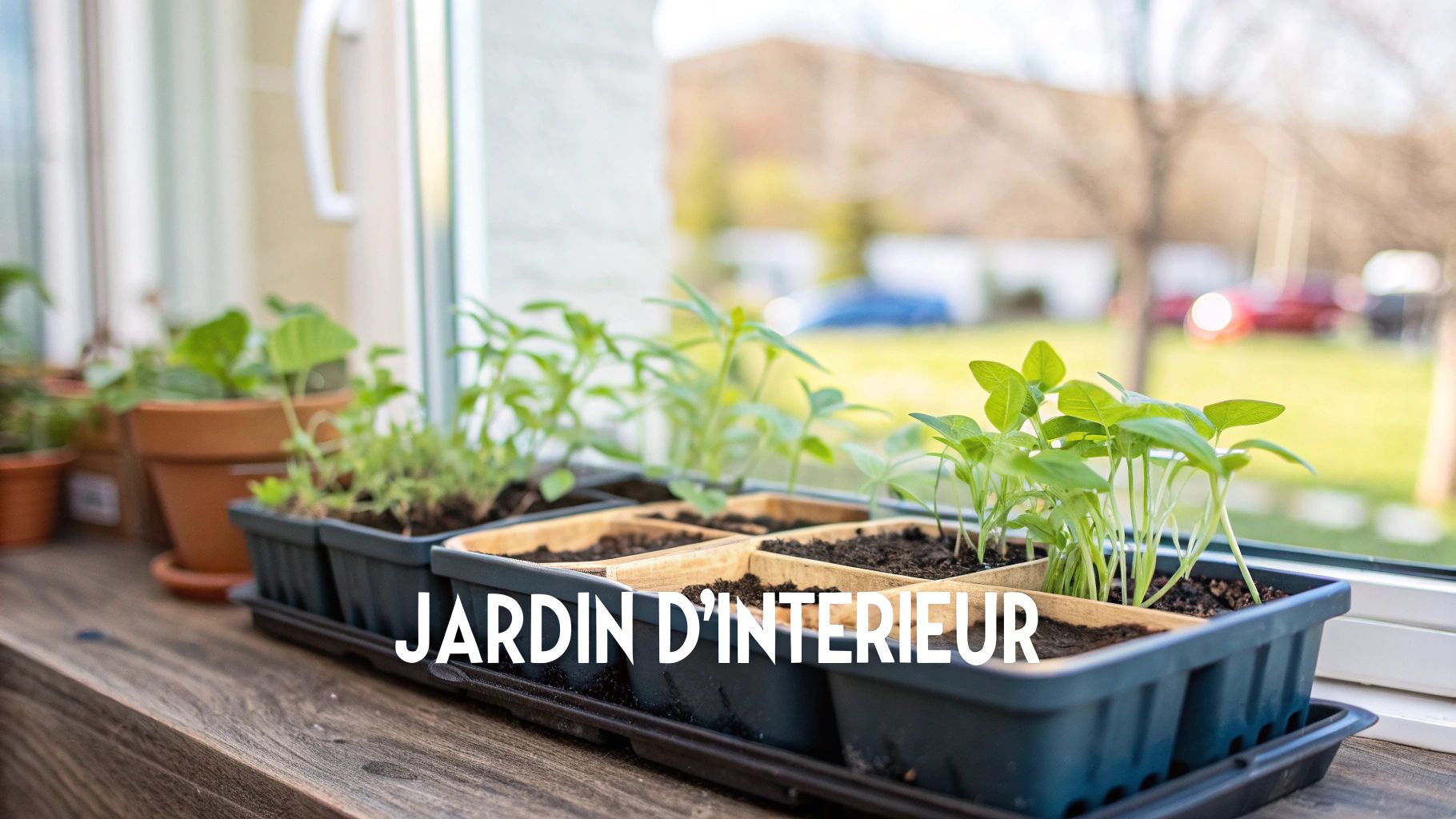
Transforming a corner of the house into a small green garden is a soothing and educational activity for the whole family. Indoor gardening is more than just a hobby; it's an opportunity to reconnect with nature, learn patience, and see the fruits of your labor grow day after day, making it one of the best things to do when you're bored .
This activity empowers children by entrusting them with the care of a living thing. Looking after a plant teaches them about the life cycle, the importance of care and regularity. It's a wonderful hands-on lesson that stimulates curiosity and instills a sense of pride when the first leaves or flowers appear.
How to start your indoor garden
The goal is to make the experience accessible and rewarding, even for those without a green thumb. Here are a few ideas to get you started:
- The kitchen garden: Grow aromatic herbs like basil, mint, or parsley on a windowsill. Children will love watering them and using them to season dishes.
- Succulent arrangements: These succulents require little maintenance and are perfect for beginners. Let your child choose different varieties and create their own decorative arrangement.
- Easy propagation: Teach your child how to propagate plants by taking cuttings from existing houseplants, such as pothos or wandering Jew. It's an almost magical experience to see new roots forming.
Advice for parents: Start with plants known for being easy to care for, such as snake plant (Sansevieria) or spider plant (Chlorophytum). Create a simple, visual watering schedule that your child can follow, and involve them in choosing the pots to personalize the project and foster their independence.
4. Organizing and decluttering a space as a family
Turning boredom into a productive task can be surprisingly fun. Organizing and decluttering a space, like a child's bedroom or playroom, isn't just a chore. It's an opportunity to teach your child essential life skills, create a calming environment, and give them a sense of control and pride over their own space.
This activity helps clarify ideas as well as the physical space. By learning to sort, give away, and organize, children develop their decision-making skills and understand the value of objects. It's one of those bored activities that has a lasting impact, as a tidy environment promotes concentration and creativity.
How to start your storage project
The trick is to present it as a game or a challenge, not a punishment. Here are some ideas to turn decluttering into an adventure:
- The challenge of categories: Sort the items by category (first clothes, then books, etc.). This makes the task less daunting and more systematic.
- The hunt for hidden treasures: Explore the shelves and drawers together to rediscover forgotten toys or books you might like to reread.
- The donation box: Prepare a decorated box where your child can place toys and clothes they wish to donate. This introduces the concepts of generosity and empathy.
Tip for parents: Start with a very small area, like a single drawer or shelf. Take "before" and "after" photos to visualize progress and celebrate success. This motivates the child and shows them that their efforts have a concrete and satisfying result, thus boosting their self-esteem.
5. Cook or bake a new recipe
When boredom sets in, the kitchen transforms into a fantastic playground and learning environment. Trying a new recipe as a family is a hands-on activity that stimulates the senses, develops creativity, and teaches essential life skills. The goal isn't to create a dish worthy of a top chef, but to share a special moment together and savor the fruits of your labor.
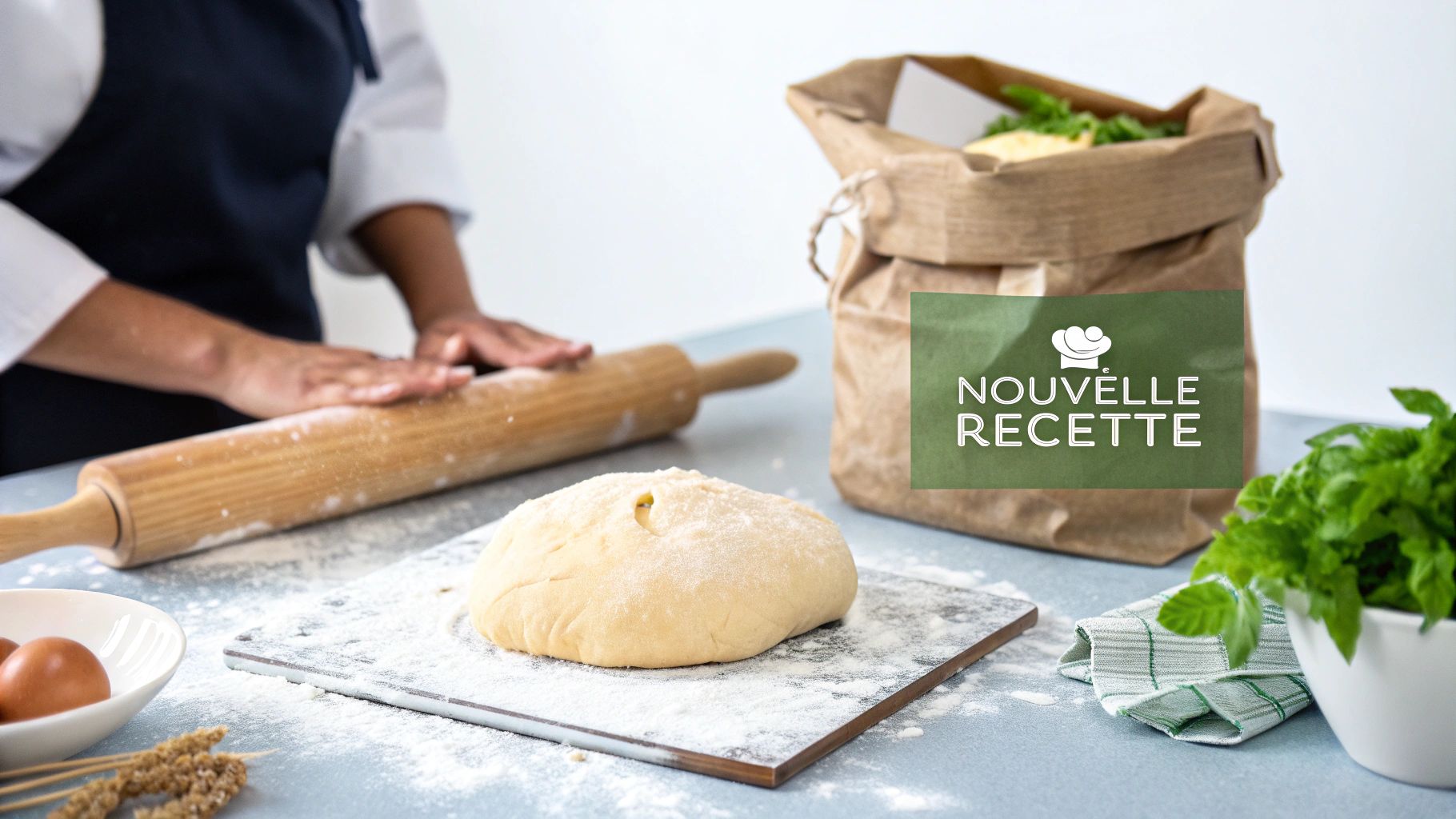
This hands-on activity helps children understand the food transformation process and develop their patience. Following the steps of a recipe strengthens their concentration and logic skills, while also making them feel valued for their contribution to the family meal. It's one of the most rewarding things to do when you're bored , as it ends with a delicious treat.
How to embark on a culinary adventure
To ensure a positive experience, choose suitable recipes and transform the kitchen into a safe space for exploration. Here are a few ideas to get you started:
- Homemade pasta: Making your own pasta from flour and eggs is an almost magical activity for a child. They can knead, roll out, and cut the dough, developing their fine motor skills.
- Colorful fruit skewers: Introduce your child to the joys of healthy food by creating rainbow skewers. They can help wash and cut the fruit (with a suitable knife).
- Creative cake: Let their imagination run wild by decorating a cake. Provide them with piping bags, colored sprinkles, or fruit to create an edible work of art.
Tip for parents: Before starting, read the recipe together from beginning to end and prepare all the ingredients (the "mise en place"). This avoids stress and allows the child to focus on each step. Emphasize effort, not perfection, to build their confidence.
6. Practice meditation or mindfulness
Boredom can be an opportunity to connect with yourself and calm your mind. Introducing your child to mindfulness is a gentle approach to transforming restlessness into inner peace. It's not about "emptying your head," but about learning to observe your thoughts and emotions without judgment, which strengthens focus and emotional balance.
This practice helps children better understand their feelings and develop tools to manage stress or anxiety. By focusing on their breathing or sensations, they learn to return to the present moment. It's one of the best things to do when you're bored , as it cultivates an essential life skill: self-awareness.
How to start mindfulness as a family
To ensure this practice is met with curiosity, it should be presented as a game or a relaxing activity. Here are a few ideas for a gentle introduction:
- The teddy bear's breathing: The child lies on their back and places a teddy bear on their stomach. They observe the teddy bear rising and falling in rhythm with their breathing.
- Inner weather: Ask your child to describe their emotions like the weather. Is it sunny, cloudy, rainy, or stormy inside them?
- Attentive listening: Sit in silence for one minute and try to name all the sounds you hear, from the closest to the furthest.
Advice for parents: Start with very short sessions of only 2 to 5 minutes. Use guided meditation apps for children like Petit Bambou or Calmosaurus. Regularity, not duration, is key to making it a calming ritual.
7. Start a DIY project
Transforming boredom into a tangible creation is a powerful strategy for occupying minds and hands. Starting a DIY ( Do It Yourself ) project is an excellent activity for channeling energy productively. It's an opportunity to develop fine motor skills, patience, and the pride of creating something with your own hands, whether it's a decorative or functional object.
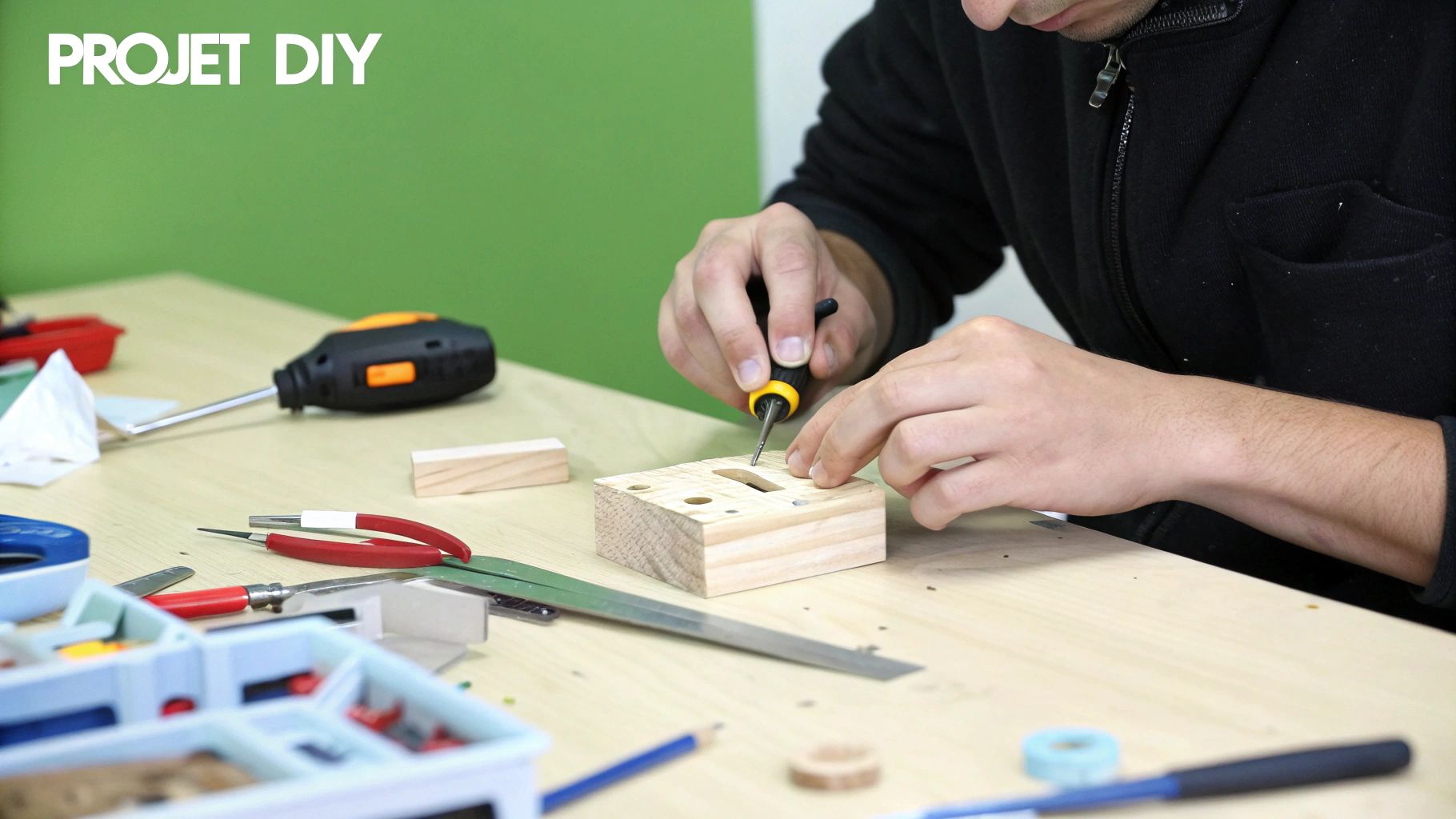
This approach teaches children the value of the process rather than just the result. By manipulating different materials and following specific steps, they learn to solve small problems and persevere. It's one of those bored activities that offers lasting gratification, as the fruits of their labor remain visible and usable every day, boosting their confidence in their abilities.
How to choose and start your DIY project
The important thing is to choose a project that suits your child's age and interests to ensure their engagement. Here are a few ideas to get you started:
- Making friendship bracelets: Use colorful cotton threads to make bracelets. It's a perfect activity to develop concentration and create gifts for friends.
- Painting on pebbles: Collect smooth pebbles during a walk and transform them into colorful paperweights or characters to tell stories.
- Family scrapbooking: Gather photos, tickets, and other mementos to create a personalized album. It's a wonderful way to relive happy moments and strengthen the sense of belonging.
Tip for parents: Prepare a "creativity kit" with basic materials (scissors, glue, paper, paint) so your child can start a project as soon as inspiration strikes. Let them explore freely without too much guidance, to encourage their own creativity.
8. Get active with a fun sports routine
Children's boundless energy, often a source of boredom, can be transformed into a source of well-being and enjoyment. Incorporating physical activity into family life is an ideal way to channel this vitality. Beyond simple physical exertion, it's an opportunity to move together, discover new sensations, and build confidence in one's body.
This approach helps children develop a healthy relationship with physical activity, seeing it as a game rather than a chore. By moving, they release endorphins, the "feel-good hormones," which improves their mood and reduces stress. It's one of the best things to do when you're bored , as it benefits both body and mind, while also creating shared memories.
How to start your fitness routine
The goal is to have fun and get moving, without any performance pressure. Here are a few fun ideas to get you started:
- Family yoga: Follow a beginner's video. Imitate animal poses (downward-facing dog, cobra) to make the exercise more fun and accessible to younger children.
- Dance challenges: Learn a simple choreography seen in a video. The important thing is not perfection, but to laugh together at your attempts and celebrate your progress.
- Obstacle course: Use cushions, chairs, and toys to create an agility course in the living room or garden. Time yourself to add an element of friendly challenge.
Advice for parents: Focus on the enjoyment of movement rather than performance. Encourage your child by saying, "Look how strong your body is when you jump!" or "That was great, we worked well as a team!" This emphasizes effort and enjoyment, creating a positive association with sport.
9. Dive into a captivating documentary series
Turning a moment of boredom into active exploration is a wonderful way to spark curiosity. Watching a quality documentary series with your child goes far beyond passive viewing; it's an invitation to discover the world, understand complex topics, and develop critical thinking skills. The goal is to nurture their thirst for knowledge in an entertaining and shared way.
This activity stimulates learning by making topics like nature, history, and science accessible and engaging. By exploring fascinating subjects together, you offer your child a window onto different realities, enriching their general knowledge and understanding of the world. It's one of the best things to do when bored , as it transforms screen time into an educational and enriching experience.
How to choose and watch a documentary
For the adventure to be a success, it needs to be interactive and age-appropriate. Here are a few ideas to get you started:
- The animal world: Series like Our Planet or Planet Earth are perfect for marveling at the beauty of nature and understanding environmental issues in a visually spectacular way.
- The mysteries of science: Explore documentaries about space, the human body or inventions like Brainchild to answer your child's "whys" and "hows" in a fun way.
- Human explorations: Documentaries about great discoveries or world cultures can inspire by showing incredible human diversity and ingenuity.
Tip for parents: Make this an interactive experience. Pause the video to discuss an interesting point or ask questions like, "What do you think?" or "What surprised you the most?" Afterward, encourage your child to draw a picture or research the topic to extend the learning experience.
10. Plan and research future adventures
Turning boredom into a source of excitement is possible by planning your next family adventures together. This activity transforms a simple search into an exciting project, creating anticipation and giving your child a motivating goal. It's not just about choosing a destination, but about building a shared dream, detail by detail.
Involving your child in research and planning strengthens their sense of competence and decision-making skills. It's a great way to discover new cultures, learn geography, or even manage a simple budget. It's one of those bored activities that fosters curiosity while developing valuable life skills.
How to start your adventure project
To make the planning as fun as the trip itself, keep it playful and collaborative. Here are a few ideas to get you started:
- The dream board: Create a large collage with pictures, drawings and words representing places you would like to visit or activities you want to try, such as a weekend camping trip or a visit to a national park.
- The Explorer Game: Assign your child the role of "chief researcher" for a destination. They can research local culinary specialties, cultural festivals, or regional legends.
- Local wish list: No need to go far. Make a list of all the restaurants, parks or museums you've never taken the time to visit in your own region.
Tip for parents: Use visual tools like world maps or globes to make the research more tangible. Create an "adventure journal" where you can jot down everyone's ideas. This transforms planning into a family ritual and a tangible keepsake even before you leave.
Comparison of 10 anti-boredom activities for children
| Activity | 🔄 Easy for a child (6-12 years old) | 💡 Required Resources | 📊 Developmental Benefits | ⭐ Benefits for the family | 💡 Ideal when... |
|---|---|---|---|---|---|
| Creative writing | Easy | Paper, pens | Imagination, expression of emotions | Strengthens bonds, creates memories | The child needs to express themselves calmly. |
| Themed cooking workshop | Average (supervision required) | Ingredients, fully equipped kitchen | Practical skills, patience | Collaboration, sharing a meal | Do you want a hands-on, delicious activity? |
| Indoor gardening | Easy | Plants, pots, soil | Responsibility, understanding of living things | A soothing ritual that beautifies the home | A long-term activity is needed. |
| Organize and declutter | Average | Storage boxes (optional) | Decision-making, organization | Create a serene environment | Energy is low but productive |
| Practicing mindfulness | Easy | None (or one application) | Stress management, concentration | Brings calm and emotional connection | The child is restless or anxious |
| DIY project | Easy to Medium | Arts and crafts supplies | Fine motor skills, perseverance | Create custom objects | The need to create something is strong |
| Fun sports routine | Easy | Space to move | Coordination, physical well-being | Sharing positive energy | The child needs to let off steam. |
| Documentary series | Easy | Access to a streaming platform | Curiosity, general knowledge | A moment of educational sharing | Are you looking for a calm and educational activity? |
| Planning a future adventure | Easy | Internet, maps, paper | Planning, cultural discovery | Create enthusiasm, a shared project | The mood is gloomy and needs a goal |
| Cook a new recipe | Average | Ingredients, cooking | Following instructions, creativity | A moment of sharing and pride | You have time for a complete activity |
Transforming every moment of boredom into an inner adventure
Throughout this article, we've explored ten ideas for transforming moments of boredom into opportunities for growth, creativity, and connection. From writing a story to planning a trip, each activity is more than just a distraction. They are gateways to self-discovery, building confidence, and developing your child's emotional intelligence.
The key message to remember is that boredom isn't an enemy to be fought at all costs. It's a fertile space, an invitation to calm and introspection. As a parent, your role isn't to fill every second of silence, but to provide your child with the tools to navigate this space and discover their own treasures within it. Creative projects, shared recipes, or mindfulness sessions aren't just good things to do when bored ; they're rituals that build lasting memories and strengthen your family bonds.
The keys to a successful transformation
To ensure these activities are successful, keep a few fundamental principles in mind:
- Autonomy above all : Let your child take the reins. Whether they choose the recipe, the theme of the writing project, or the plant to grow, this autonomy fosters their self-esteem and sense of responsibility.
- Value the process, not just the result : The cake may not be perfect, the story unfinished, or the craft a little wonky, but what matters is the effort, the creativity involved, and the enjoyment experienced along the way. Celebrate every step of the learning process.
- Turn boredom into a positive signal : Change the narrative around boredom. Instead of "Oh no, you're bored again?", try "Great, you're bored! This is the perfect time to start a new adventure. What would you enjoy?"
Adopting this perspective changes everything. Boredom becomes a catalyst for curiosity and imagination, rather than a source of frustration. You're giving your child an invaluable life skill: the ability to find resources within themselves, to be their own engine of joy and discovery. Those moments when they feel "bored" then become the starting points for the most beautiful inner stories. It's in this apparent "emptiness" that the most original ideas are born and a resilient and creative personality is forged. Embrace these moments; they are the fertile ground for the extraordinary.
To help your child transform introspection into a creative game and a daily ritual, discover the My Book Story journal. It's the perfect tool to guide them in exploring their emotions, formulating their ideas, and cultivating well-being after trying all those things to do with boredom . Explore the My Book Story journal and offer them a new inner adventure.