


A gratitude journal is simply a notebook where your child can write or draw the little and big things that made them happy during the day. It's a simple and creative tool to help them notice the positive things around them and cultivate an optimistic outlook from a young age.
Discover the magic of a family gratitude journal

Think of this journal not as homework, but rather as a daily treasure hunt. Each evening, your child sets out to find the little moments of happiness from their day and carefully record them in their journal.
This simple practice transforms the "thank yous" we sometimes say reflexively into a genuine act of awareness. Far from being a chore, it can become a fun family ritual, a special moment to reconnect and share the good times of the day.
Transforming everyday life into a positive adventure
The idea isn't to strive for perfection or fill pages and pages. The goal is to encourage your child to see the glass as half full. This little ritual teaches them to focus on what's going well, an essential skill for building self-confidence and resilience in the face of challenges.
So, what kinds of "treasures" could your child find?
- A fit of laughter shared with a friend at recess.
- The pride of finally having succeeded in a complicated drawing.
- The taste of his favorite dish at the cafeteria.
- A big, comforting hug after a minor setback.
Keeping a gratitude journal is a bit like giving your child an inner compass that helps them navigate the flow of their emotions. It teaches them to seek out the sunshine, even on rainy days, to build a strong sense of optimism.
This practice is gaining ground in France, particularly in the areas of personal development and family well-being. Initiatives like the "21-Day Gratitude Challenge" have clearly demonstrated its positive impact on morale, guiding hundreds of people. If this topic interests you, you can find helpful tips for starting your own journal at ananaseditions.com.
Ultimately, a gratitude journal is an invitation to cultivate joy together as a family. It's a creative and accessible way to strengthen your bonds, while planting the seeds of a positive attitude that will last a lifetime.
How gratitude shapes your child's well-being
Keeping a gratitude journal isn't just a writing exercise for your child. It's a kind of mental workout for their emotional brain. By making a habit of focusing each day on small and big joys, they build a solid foundation for their development.
This simple routine has a snowball effect, far more powerful than one might imagine. It helps him develop human skills that will be useful to him throughout his life, far beyond the pages of his notebook.
Boosting self-esteem and confidence
Imagine your child writing down their pride at finally completing a drawing or the joy of learning to ride a bike without training wheels. By writing it down, they anchor these successes in their memory. This little ritual teaches them to recognize their own strengths and celebrate their progress, a cornerstone for building strong self-esteem .
The goal is not to ignore difficulties, but to give more space to victories. Each new entry in his journal becomes concrete proof that he is capable of overcoming obstacles and moving forward.
Cultivating empathy and resilience
Gratitude also opens a door to others. When you invite him to think about the kind gestures he has received—a compliment from a friend, a hug after a minor setback—he learns to see the value of the relationships around him. It's an excellent way to develop his empathy and see the good in others.
This practice also makes him more resilient. Remembering the good times helps him better cope with the frustrations and challenges of daily life. It's a superpower that shows him that even after a difficult day, there's always light somewhere.
A gratitude journal is like an emotional shield. It doesn't prevent storms from coming, but it gives your child the tools to navigate them with more calm and optimism.
In France, this approach is increasingly recognized for reducing stress and improving overall well-being. Simply spending a few minutes writing down positive thoughts helps cultivate an optimistic mindset. For moreinformation on reducing stress through gratitude, see demainbeauty.com .
The table below summarizes how the practice of gratitude journaling can directly impact the development of essential skills in a child.
Impact of gratitude on a child's key skills
This chart highlights the direct benefits of keeping a gratitude journal on children's emotional and social development.
| Skills developed | How a gratitude journal helps | A concrete example for the child |
|---|---|---|
| Self-esteem | The child becomes aware of their successes and personal qualities. | "I'm proud to have helped Dad make the cake today." |
| Empathy | He learns to recognize and appreciate the kindness of others towards him. | "I thank my friend Léa for lending me her felt-tip pens at school." |
| Optimism | It trains his brain to focus on the positive aspects of his day. | "Even though it rained, I loved jumping in the puddles with my boots on." |
| Resilience | He creates a "bank" of happy memories for the more difficult times. | "When I'm sad, I can reread that I had a good laugh yesterday with Grandma." |
In short, a gratitude journal is much more than just a notebook. It's a true companion that helps children grow with a better understanding of themselves and others.
The following image highlights another, often underestimated, benefit of this practice on the child's well-being. 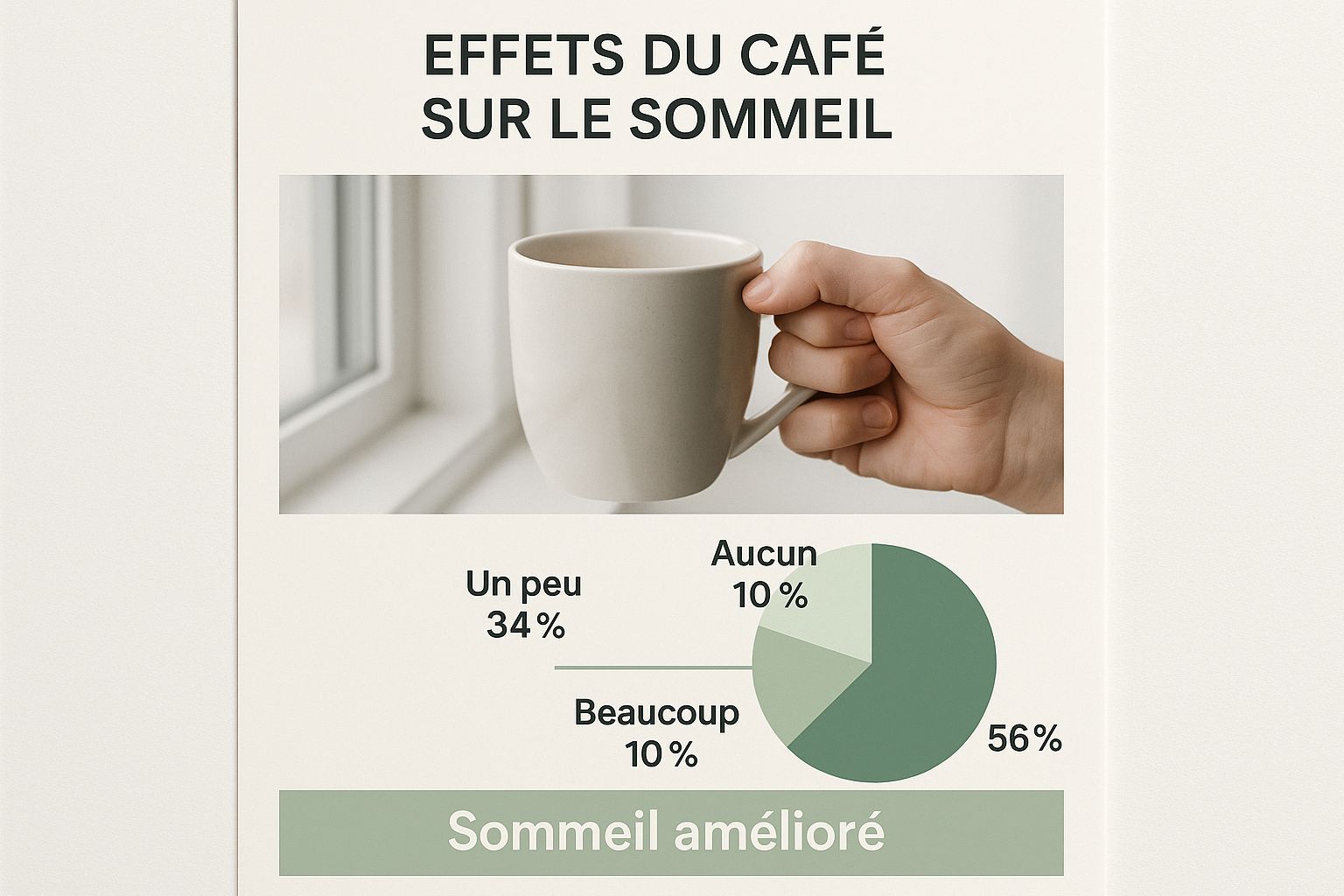
By calming the mind before going to bed, gratitude can truly promote deeper, more restorative sleep, which is crucial for children's growth and emotional balance.
Get started: how to create your family gratitude ritual?
Introducing a gratitude journal into your routine is anything but a chore. Quite the opposite! It's the perfect opportunity to create a warm and special moment, a little get-together the whole family will look forward to. To make it work, present it as a game, not just another homework assignment.
The secret is to make the experience fun and collaborative. Involve your child from the start: choose the perfect notebook together. A colorful notebook, a sketchbook, or a customizable journal like the one from My Book Story can transform this activity into a unique adventure for them.
Create a moment just for you
To make this ritual stick, aim for regularity rather than length. Five minutes is all it takes! Find the perfect moment, when everyone is calm and available.
The evening, just before bedtime, is often the perfect time. It's a wonderful way to calm minds, end the day on a positive note, and strengthen bonds. This brief moment of sharing will quickly become your cozy haven.
What to do when faced with a blank page?
"But what am I going to write?" This is the question your child (and maybe you too!) is likely to ask at the beginning. To avoid writer's block, nothing beats simple, open-ended questions to get the ball rolling.
Here are some ideas to start the conversation:
- What's the funniest thing that happened to you today? Perfect for remembering the laughter.
- Who made you smile or helped you today? A question that helps to notice the kindness around you and to develop empathy.
- Which game are you happy to have played? Ideal for celebrating moments of pure pleasure and creativity.
Remember: the goal isn't to write a novel. A simple word, a drawing, a collage, or even a sticker can be enough. What matters is the intention and the joy of sharing.
The key is to let your child's creativity flow freely. Let them make their journal their own so it becomes a true reflection of their little world. It's this freedom that will transform the journal into a personal treasure and a powerful tool for the well-being of the whole family.
Creative ideas to keep your child's diary from ever getting boring
After a few weeks, the "thank you for..." ritual can start to feel a bit repetitive. That's perfectly normal! To keep your gratitude journal a fun and engaging experience, the trick is to add a touch of creativity and playfulness.
The goal is to transform this little notebook into a true playground for exploration where their imagination can run free. How about introducing themes each week? It's a great way to spice things up and rekindle their curiosity.
Here are some ideas to inspire you:
- Superpowers Week: Each day, your child can write down one of their qualities or a small victory. For example, "Today I was super brave at the dentist" or "I helped my little brother build his tower."
- The 5 Senses Week: Invite him to find something pleasant each day that he saw, smelled, tasted, heard, or touched. It's a great exercise to ground him in the present moment.
- The week of others: The idea is to focus on kind gestures, those he received but also those he made. A wonderful way to cultivate empathy!
What if we went beyond words?
Writing isn't every child's preferred way of expressing themselves, and that's perfectly okay. Gratitude can be expressed in countless ways! Don't hesitate to suggest other methods so they can truly make their journal their own.
He could, for example, draw his favorite moments of the day, make collages with pictures cut out from magazines, or even create a "happiness box." The idea is very simple: every time a little moment of happiness occurs, he writes it down on a slip of paper and puts it in the box. Imagine his joy when he opens it a few months later and rediscovers all those accumulated treasures!
Gratitude is a personal journey. By varying the approaches, you help your child find the one that suits them best, so they can increasingly enjoy cultivating a positive outlook on life.
This practice can even become a fun way to improve your French. Writing down positive memories each day helps enrich your vocabulary and build confidence. If this idea appeals to you, take a look at these tips for improving your French with a gratitude journal on ohlalafrenchcourse.com .
How stories nourish a grateful heart
Stories have this incredible power to plant little seeds in our children's minds. By combining the magic of reading with the practice of gratitude, you give them a whole new perspective on the world... and on themselves.
Imagine a personalized My Book Story book, where he's the hero of his own adventure. It's no longer just a story. It becomes a treasured object, a source of gratitude. Seeing himself as a courageous or generous character boosts his confidence and gives him concrete reasons to be proud of who he is.
Using books as a springboard for gratitude
The themes found in children's books – friendship, courage, mutual support – are perfect starting points for filling out a gratitude journal.
After reading a story about two inseparable friends, you could ask them: "And you, who was a great friend for you today? Should we write it down in your journal?" A simple question that transforms a fictional story into a real life lesson.
Books become the fuel for his imagination and emotions. They help him find the right words for what he feels and to spot the little treasures hidden in his day.
The ritual of reading at night then takes on a new dimension. It is no longer just the signal of the end of the day, but the beginning of a moment of sharing and appreciation, which gently strengthens your bond.
We answer your questions about the gratitude journal
As a parent, it's perfectly normal to have questions before starting a new routine. To help you get started with confidence, here are some answers to the most frequently asked questions. The goal is to keep the fun at the heart of this new family adventure.
At what age can my child start?
There's really no ideal age! The important thing is to follow your child's pace. As soon as they start expressing themselves, even with simple drawings or a few words, they're ready. For younger children, around 6 or 7 years old , a doodle representing their favorite moment of the day is already perfect!
And what if he doesn't want to participate on certain days?
Above all, no pressure! The goal is to create a pleasant moment of sharing, not a new chore. If one evening your child doesn't feel like it, that's perfectly fine. You can simply share aloud what you're grateful for, to maintain the ritual without ever forcing it.
The most important thing is that it remains enjoyable. A gratitude journal is an invitation, never an obligation. Regularity will develop naturally if your child associates it with feelings of joy and connection.
How should we react if he expresses negative emotions?
Was it a difficult day? Is your child sad or angry? Acknowledge their emotions without judgment. It's essential that they feel heard. You can tell them you understand what they're feeling, and only then gently invite them to find a small ray of sunshine in their day. Negative emotions have the right to exist, and gratitude doesn't erase them, but simply allows them to coexist.
Finally, remember that a collage, a drawing, or even a single word is just as valuable as long sentences. Expressing gratitude is a creative adventure, not a writing exercise!
The My Book Story journal is specifically designed to make this exploration simple and fun. Discover how it can help your child build self-confidence on the My Book Story website .