10 activities to transform "I'm bored" into an opportunity for growth (ages 6-12)
Share
The familiar cry of "I'm bored!" often echoes through the house, leaving many parents feeling helpless. But what if, instead of seeing boredom as a void to be quickly filled, we considered it an open door to creativity, self-confidence, and discovery? For you, parents of children aged 6 to 12, these moments of inactivity are a golden opportunity to support your children's emotional and personal development, away from screens. Boredom isn't the enemy, but rather fertile ground for the imagination.
This article offers a list of 10 enriching activities, far more than just "stuff to do when bored." Each one is designed to nurture your child's curious mind, strengthen family bonds, and cultivate their inner well-being. You'll find concrete ideas and practical tips to transform a monotonous afternoon into a memorable adventure. Each suggestion is a building block for developing resilience, creativity, and independence—essential qualities for growing up with confidence. We'll explore how dedicated tools, like the My Book Story journal, can transform these moments into precious rituals, helping your child get to know themselves better and express their inner world.
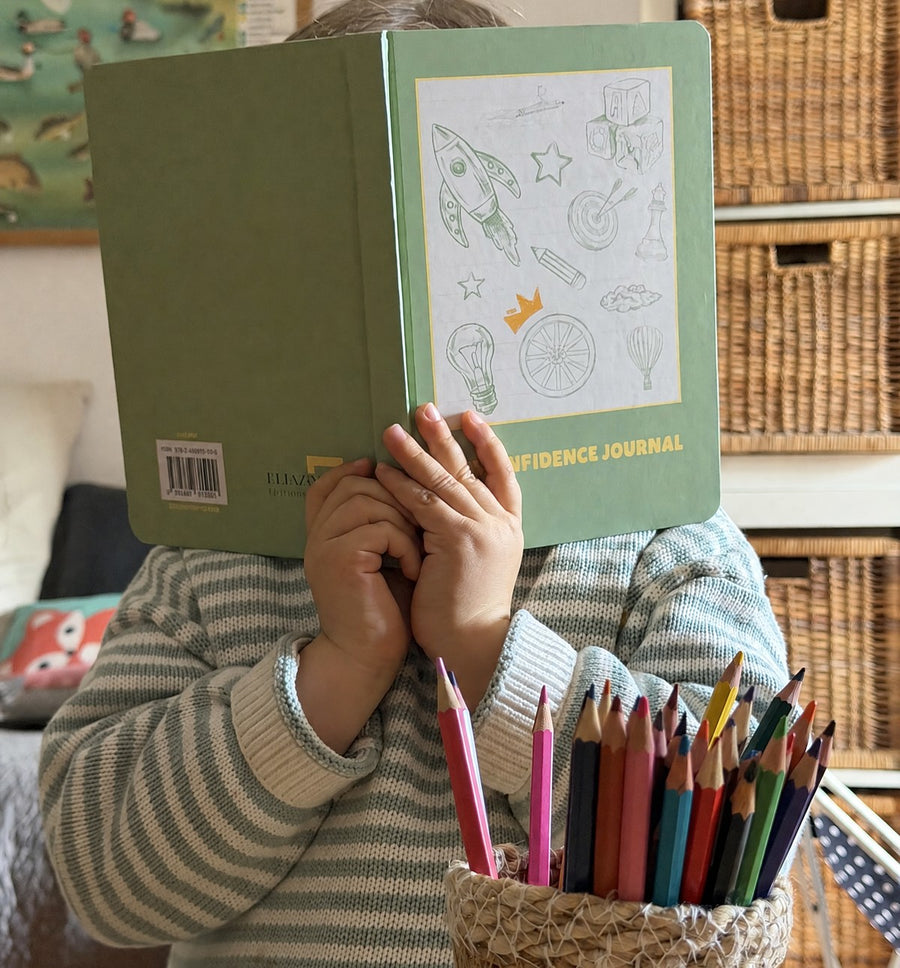
1. Create an 'Adventure Journal' with My Book Story
When boredom rears its ugly head, transform it into a captivating journey of self-discovery. Rather than a simple blank page that can seem daunting, a guided journal like My Book Story offers a reassuring structure for children aged 6 to 12 to explore their emotions and creativity. It's one of the best activities to do when bored, as it turns a dull moment into an opportunity for personal growth.
For 12 weeks, your child becomes the hero of their own story, following inspiring themes like 'Visionary' or 'Resilient'. This calming activity develops introspection and self-confidence, transforming "empty" time into a structured, fun, and deeply enriching experience.
How to start this creative ritual?
To easily integrate this activity, here are some practical tips for you, parents:
Create a daily ritual: Dedicate 10 to 15 minutes each day, after school or before bed, to filling out a journal. This creates a calming habit and a special moment of connection.
Participate without judgment: Show interest in what your child writes or draws. Ask open-ended questions such as: "What does this drawing represent for you?" or "How did you feel while writing this?"
Use the blank pages: Encourage your child to use the right-hand page for whatever comes to mind: a crazy invention, a list of their dreams, or a fun challenge for the family.
Connect it to real life: If the chapter is 'Leader', ask him: "How could you be a leader in our family today? Perhaps by choosing tonight's board game?"
Value the effort, not the perfection: The important thing is not to write perfectly, but to express what he feels. Congratulate him for taking this time for himself.
2. Launch a creative writing project
Writing is a gateway to infinite worlds, an ideal solution when your child complains of having nothing to do. Rather than simply handing them a sheet of paper, suggest they become the creator of a story. Embarking on a creative writing project, whether it's a short story, a poem, or even the script for an animated film, transforms boredom into an adventure of the mind.
This activity is one of the best things to do when you're bored, because it requires almost nothing: just imagination, a pencil, and paper. By creating characters and storylines, your child develops empathy, organizes their thoughts, and learns to express complex emotions in a playful and constructive way. It's a valuable life skill.
How to start this creative ritual?
To guide your child in this new passion, here are a few tips for you, parents:
Use writing prompts: Start with an intriguing sentence such as: "The door creaked open and revealed not a monster, but a little robot holding a flower..." or "What if our pets could talk for a day?"
Set a small daily goal: Suggest writing just three sentences or a short paragraph each day. The important thing is to create a routine without pressure, so that the enjoyment remains.
Create an "emotions dictionary": When a character is sad or happy, help your child find more specific words than "sad" or "happy." Are they melancholic, dejected, euphoric, radiant?
Take turns writing: Start a story by writing the first sentence, then pass the notebook to your child to write the rest, and so on. It becomes a fun, collaborative game.
Illustrate the story: Encourage your child to draw their characters or key scenes from their story. This helps them visualize their world and makes the project even more personal and motivating.
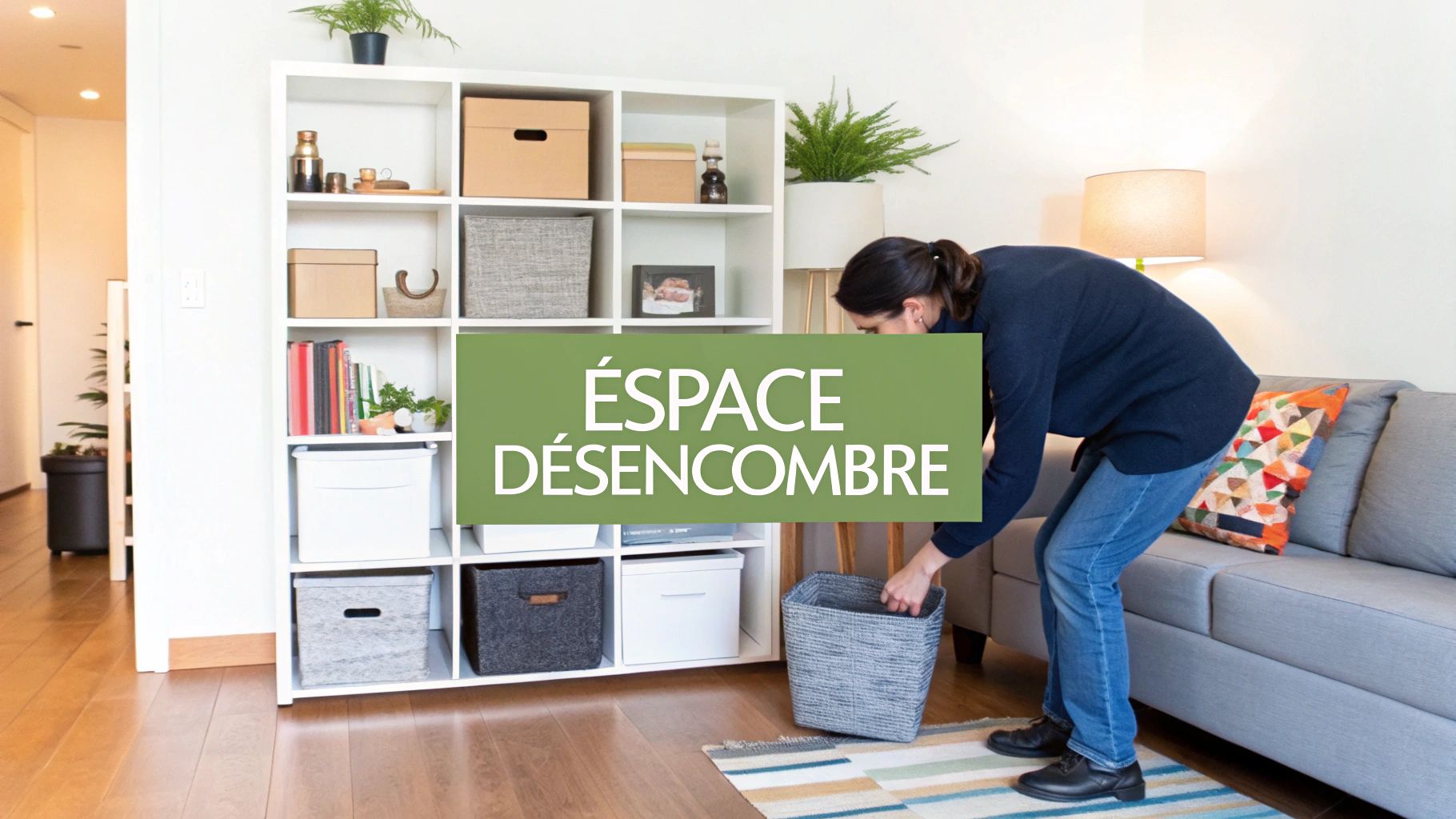
3. Reorganizing and Decluttering a Space as a Family
Turning boredom into a team mission is a great way to pass the time. Rather than viewing tidying up as a chore, present it as a transformative game where each family member becomes a "wellness architect." This activity combines physical movement and decision-making, with immediate, visible results. It's one of the best activities to do when you're bored because it teaches organization and detachment from material possessions in a fun way, while creating a calmer, more peaceful environment for everyone.
Inspired by methods like Marie Kondo's, this approach isn't just about cleaning, but about consciously choosing what brings us joy. For a child, deciding to donate a toy they no longer use becomes an act of generosity. By reorganizing their room or play area, they learn to take care of their personal space, which strengthens their sense of responsibility and pride.
How do I start this tidying mission?
To transform this task into a positive family activity, here are a few tips for you, parents:
Use the "Four Boxes" method: Prepare four boxes labeled: Keep , Give Away , Throw Away , and Store Elsewhere . This helps the child visualize the process and make clear decisions for each item.
Start small: Focus on a single area, such as a desk drawer or a toy shelf, to prevent the task from seeming insurmountable and to achieve a quick victory.
Ask the "joy" question: For each object, ask your child, "Does this toy still make you happy?" This helps them connect with their emotions rather than simply with possession.
Take "Before/After" photos: Documenting the transformation is a great source of motivation. Seeing the tangible results of their efforts will make your child proud of their work.
Make it a timed challenge: Set a 15-minute timer and challenge everyone to: "Let's see how much stuff we can sort before it goes off!" This turns decluttering into a fun race against the clock.
4. Cooking a New Recipe as a Family
When children say "I'm bored," transform the kitchen into a flavor laboratory. Rather than simply preparing a meal, choosing and creating a new recipe together is a fantastic activity to stimulate curiosity and collaboration. Cooking becomes an adventure that awakens the senses, teaches patience, and offers the immediate gratification of tasting one's own creation. It's one of the best activities to do when bored because it nourishes both body and mind.
This fun and educational activity strengthens family bonds and teaches children essential practical skills. Following a recipe develops their ability to read instructions, measure ingredients, and understand basic transformations. Sharing this moment together creates warm memories and strengthens communication within the family.
How to begin this culinary adventure?
To make cooking a moment of shared pleasure, here are some practical tips for you, parents:
Let the child choose: Offer them two or three age-appropriate recipes and let them choose. This gives them a sense of control and increases their engagement in the activity.
Assign leadership roles: Give each child a specific task, such as "dry ingredients chief" or "mixing specialist." This makes the activity more organized and rewarding.
Talk about the flavors: Let him smell the spices, taste the ingredients (when possible) and ask him what he thinks. "Does it smell sweet or salty? What does this smell remind you of?"
Celebrate "mistakes": A little flour spilled? No big deal! Turn small accidents into fun learning moments about precision and cleanliness.
Create a family recipe book: After trying a dish, ask your child to write it down in a notebook, adding their own drawings or comments about what they liked.
5. Launch a Family Sports Challenge
When boredom sets in, channel your children's boundless energy with a fun sporting challenge. Rather than simply "going outside to play," creating a structured program transforms physical activity into a shared adventure. It's one of the best things to do when boredom strikes, as it provides a clear objective, strengthens teamwork, and delivers an incredible sense of accomplishment.
Imagine a "Backyard Olympics" with wacky challenges, a "30-Day Yoga Challenge for Kids," or a "Nature Treasure Hunt" in the nearby park. These activities channel restlessness into positive energy, teach perseverance, and show children that movement can be an exciting and rewarding game, much more than just an obligation.
How to start this sporting challenge as a family?
To integrate this challenge into your daily life without it becoming a chore, here are some ideas for you, parents:
Set realistic and fun goals: The goal is not performance, but enjoyment. Aim to do 10 minutes of activity together each day, or to learn a new movement each day.
Create a visual tracking chart: Use stickers or drawings to mark each day the challenge is completed. Seeing progress is a huge motivator for children.
Mix up the activities: To avoid monotony, vary the fun. One day yoga, one day an obstacle course in the garden, another dancing to their favorite music.
Find a challenge partner: Encourage your child to team up with a brother, sister, or even a friend to motivate each other.
Celebrate small victories: Did you make it through a full week? Celebrate with a special outing or by letting the child choose dinner. Recognition is a powerful motivator.
6. Immerse yourself in a passion or a collection
Boredom is a gateway to new passions. Rather than seeing free time as a void to be filled, transform it into an exciting adventure by encouraging your child to start a collection or hobby. Whether it's rocks and minerals, stamps, Legos, or drawing manga characters, this activity is one of the best things to do when bored, as it develops patience, organizational skills, and curiosity.
Pursuing a hobby teaches your child to set goals, do research, and take care of their belongings. It provides them with an area where they can become a true expert, boosting their self-confidence. Transforming a simple interest into a structured collection turns downtime into an enriching and rewarding quest full of discovery.
How to start this collector's adventure?
To help your child get involved in their hobby, here are some practical tips for you, parents:
Start small: There's no need to buy everything at once. Begin with a few basic items and let the collection grow over time and with new discoveries.
Create a dedicated space: Set up a shelf, a box, or a corner of their room for their collection. This validates their passion and teaches them about organization.
Research together: Spend time reading books, watching documentaries, or visiting websites on the topic. Show a genuine interest in what fascinates him.
Encourage trading: If he collects objects, help him organize swap sessions with his friends. It's an excellent way to develop his social skills.
Set a budget: Teach him the value of money by setting a small budget for his purchases, whether it is his pocket money or an amount you allocate to him.
7. Practice Meditation and Mindfulness
When restlessness or boredom sets in, introducing your child to meditation can be a simple yet powerful solution. Far from being a complicated practice reserved for adults, mindfulness for children is a wonderful tool for calming their minds, helping them manage stress, and improving their concentration. It's one of the ideal activities to do when boredom strikes, as it transforms a moment of inactivity into a restorative break.
This practice requires no equipment and can be done anywhere, offering lasting benefits for emotional balance and regulation. It is a life skill that teaches children to find a space of calm within themselves, essential for their long-term well-being.
How to begin this calming ritual?
To easily integrate mindfulness into your daily life, here are a few tips for you, parents:
Start with short sessions: There's no need to aim for long meditations. Begin with 2 to 5 minutes a day, using guided meditations for children, which are often playful and visual.
Use simple breathing exercises: Invite your child to imagine they are inflating a balloon with their stomach or blowing out a candle without blowing it out. This makes focusing on breathing more concrete.
Create a quiet corner: Set up a small, comfortable space with cushions or a rug where your child can sit quietly. This place will become their refuge for refocusing.
Practice together: Your participation is the best encouragement. Lead by example by sitting with him. This becomes a moment of shared connection.
Be patient and non-judgmental: It's normal for the mind to wander. If your child moves or loses focus, gently remind them to return to their breathing, without any pressure to "succeed".
8. Embark on a Virtual Family Trip
When boredom sets in, why not escape to faraway lands without leaving your living room? Virtual travel is a fantastic activity to do when you're bored, transforming a dreary afternoon into a global expedition. Thanks to technology, it's possible to explore the pyramids of Egypt, stroll through the galleries of the Louvre, or observe the wildlife of a national park, all from the comfort of your sofa.
This activity sparks curiosity, enriches general knowledge, and broadens your child's horizons to the diversity of the world. It's a fun and accessible way to satisfy their thirst for adventure while creating shared memories. Platforms like Google Arts & Culture or virtual museum tours transform a moment of boredom into an exciting and educational adventure.
How do we begin this global exploration?
To make this virtual trip a memorable experience, here are a few tips for you, parents:
Plan the trip together: Let your child choose the destination on a world map. This involvement will make them an active participant in the adventure and stimulate their interest.
Create an immersive atmosphere: If you're visiting Italy, cook pasta together or listen to Italian music. This sensory approach makes the experience much more real and fun.
Keep a travel journal: Encourage your child to draw or write about what they have discovered, such as their favorite works of art at the Vatican Museum or a fascinating animal seen on a virtual safari.
Share the experience: Arrange a video call with grandparents or friends to give them a "guided tour" of what you've learned. This boosts self-confidence and communication skills.
Make connections to reality: After exploring the Great Wall of China online, look for books on the subject at the library or try building a mini-wall with toy bricks.
9. Start a DIY art or craft project
When boredom sets in, nothing reconnects your child with their innate creativity quite like a hands-on activity. DIY (Do It Yourself) projects are among the best activities to do when bored, offering a welcome break from screens. By creating something with their own hands, children develop their fine motor skills and patience, and experience immense pride in seeing the tangible result of their efforts.
Whether it's painting, sculpting clay, or transforming cardboard boxes into a castle, each project is an adventure. This hands-on approach turns a dull afternoon into a creative workshop where imagination is the only limit. It's a great way to build self-confidence, because every creation, even imperfect, is a personal achievement.
How to start this creative project?
To easily transform boredom into art, here are a few simple ideas for you, parents:
Prepare a "creativity box": Fill a box with basic supplies such as scissors, glue, colored paper, toilet paper rolls, and markers. When boredom strikes, the box is ready.
Inspire without imposing: Rather than giving a ready-made project, launch an idea: "What if we built a city for your toy cars with these cardboard boxes?" Then let their imagination take over.
Emphasize the process, not the result: The goal is to have fun and explore. Say, "I love the colors you chose!" rather than "That's a beautiful drawing." This encourages experimentation without the pressure of perfection.
Upcycle everyday objects: Encourage your child to transform old items. A plastic bottle can become a rocket, or old t-shirts can be made into braided bracelets. It's fun and eco-friendly.
Create a home art gallery: Reserve a wall or space on the fridge to proudly display your child's artwork. This shows that you value their creativity and effort.
10. Connecting with Others through Games and Family Rituals
When boredom sets in, it can sometimes mask a need for connection. Board games and family rituals are excellent ways to transform this feeling into a shared experience. Rather than leaving everyone isolated, these moments bring the family together, strengthen bonds, and create lasting memories.
A board game, building a fort in the living room, or even inventing a secret family dance... these activities help develop teamwork, communication, and problem-solving skills. It's a fun way to learn to collaborate, to handle both victory and defeat, and to strengthen the sense of belonging to the family.
How do I get started with these online activities?
To integrate these moments of sharing in a healthy and constructive way, here are some suggestions for you, parents:
Plan game nights: Establish a weekly "game night." Turn off screens and bring out a board game. Regularity makes it a much-anticipated event and a cherished family ritual.
Prioritize cooperation: Choose games where you have to work together to win against the game itself. This reduces the competitive spirit and strengthens family bonds.
Create your own rituals: Invent a weekly "family council" where everyone shares a good and a not-so-good moment from their week, or establish a "homemade pizza Friday" where everyone pitches in.
Organize epic builds: Use blankets, chairs and cushions to build a giant fort in the living room and read stories by flashlight.
Set clear rules: The goal is to have a good time together. Emphasize the enjoyment of playing rather than winning at all costs.
Comparison of boredom-fighting activities for 6-12 year olds
Activity
🎯 Main Benefit
👨👩👧👦 Parental Involvement
🎨 Stimulates Creativity
🧘 Promotes Calm
⭐ Key Benefits for the Child
Adventure Journal
Introspection & Confidence
Average (guidance)
Very High
Very High
Expression of emotions, autonomy
Creative Writing
Imagination & Expression
Low to Medium
Very High
High
Organization of thought, empathy
Playful Storage
Organization & Responsibility
High (collaboration)
Weak
Average
Pride, decision-making, generosity
Cooking with the Family
Practical Skills & Links
High (supervision)
Average
Weak
Patience, following instructions, sharing
Family Sports Challenge
Energy & Perseverance
High (participation)
Weak
Weak
Team spirit, physical benefits
Passion / Collection
Patience & Expertise
Average (support)
Average
High
Self-confidence, organization
Mindfulness
Emotional Management
Average (model)
Weak
Very High
Concentration, inner calm
Virtual Travel
Curiosity & Culture
Average (accompaniment)
Average
Average
Open-mindedness, discovery
DIY / Crafts
Motor Skills & Pride
Average (help)
Very High
Average
Confidence, creativity, patience
Games & Rituals
Family Connections & Links
High (participation)
Average
Weak
Team spirit, communication, safety
Boredom: Your Best Ally for a Happy Family
The next time you hear the dreaded phrase, "Mom, Dad, I'm bored," take a deep breath and smile. As we've explored throughout this article, this moment isn't a failure on your part, but a gateway to a world of infinite possibilities. Boredom, far from being a void to be filled at all costs with screens, is actually fertile ground for imagination, creativity, and self-discovery. It's the spark that can ignite the fire of curiosity.
Each of the ideas we've shared—whether it's embarking on a creative writing project, becoming a chef for a day, or reorganizing their play space—goes far beyond a simple pastime. They are invaluable opportunities to develop essential skills. By encouraging your child to choose from these " things to do when bored ," you're not just chasing away boredom; you're giving them the tools to become more independent, more resilient, and more confident in their ability to create their own entertainment and happiness.
Turning boredom into an engine of growth
The real treasure hidden behind boredom is the opportunity it offers for quiet introspection. It is in these moments of calm that your child learns to listen to their own thoughts, identify their emotions, and discover what truly motivates them. Here are the key points to remember to transform these moments into genuine opportunities for development:
Validate the emotion: Acknowledge that feeling bored is a normal and legitimate feeling. Say, "I understand that you're bored, it happens. It's often right before a great idea comes along!"
Encourage autonomy: Rather than providing an immediate solution, guide them towards their own ideas. Ask open-ended questions like: "What would you like to do right now? What would you enjoy creating?"
Create a conducive environment: Provide simple materials (paper, pencils, cardboard boxes, etc.) that stimulate the imagination, without giving precise instructions. Boredom thrives in a space where exploration is possible.
Incorporate a reflection tool: After an activity born out of boredom, suggest that your child document their experience. A journal like My Book Story then becomes a repository for their creations, their proudest moments, and their new discoveries about themselves.
By adopting this approach, you change the family dynamic. Boredom is no longer a problem to be solved, but an invitation to shared or personal adventure. You offer your child the greatest gift: the certainty that they possess within themselves all the necessary resources to make their life interesting and meaningful.
To help your child capture the magic of their discoveries and transform every moment of boredom into a page of their story, discover the My Book Story personal development journal. It's the perfect tool to accompany them on their creative and emotional exploration, turning "stuff to do when bored" into unforgettable memories. Explore My Book Story and give them a space to grow .