Finding the right leisure activity for a child is much more than simply filling their free time. It's about offering them a gateway to self-discovery, a safe space to explore their talents, manage their emotions, and build strong confidence, far from the pressures of school and screens. Extracurricular activities aren't just pastimes; they are true pillars of personal development. They allow children to cultivate patience, overcome challenges, and experience the pride of a skill acquired through their own efforts.
This article is designed for you, parents, as a toolbox filled with concrete and inspiring ideas. We'll present you with more than just a list; for each hobby example , you'll discover specific benefits for your child's emotional well-being, practical tips for getting started without stress, and suggestions for turning them into family rituals. The goal is to help you identify passions that resonate with your child's unique personality.
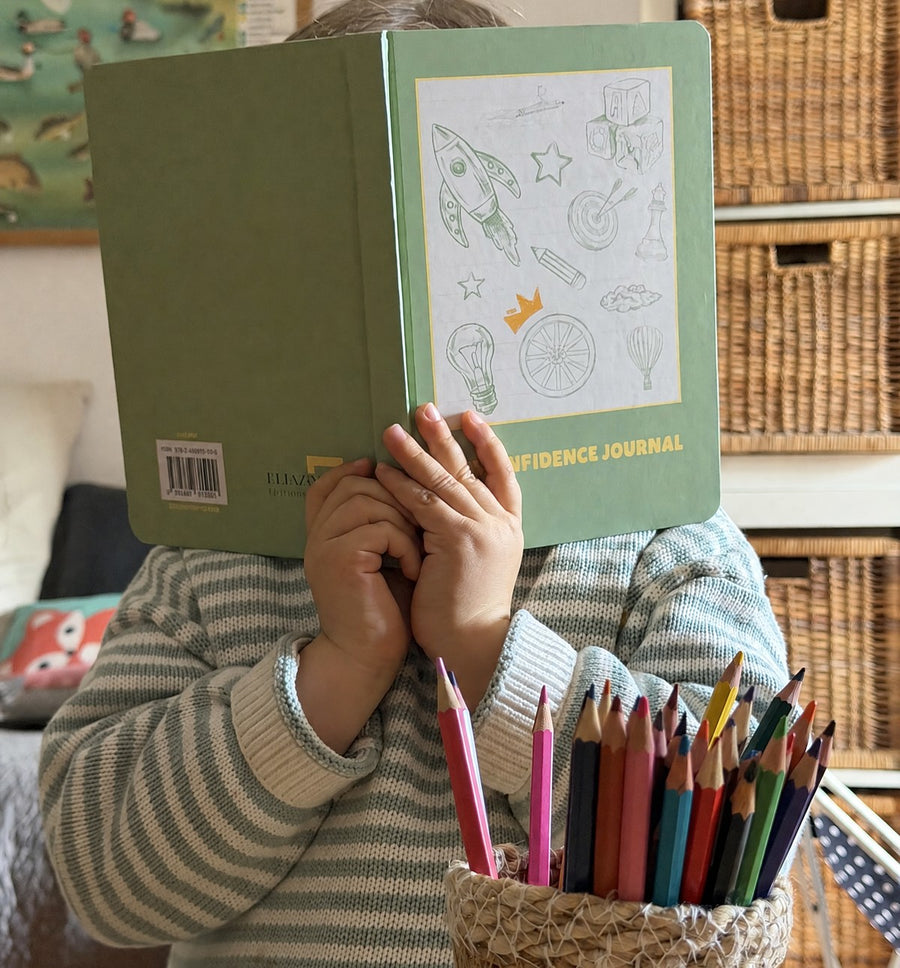
Each section will offer suggestions for transforming these leisure activities into moments of sharing and introspection, particularly through the use of resources like the My Book Story personal development journal. You'll learn how to connect playing an instrument, gardening, or photography with reflections on emotions, successes, and learning. Get ready to explore a world of possibilities to help your child reach their full potential.
1. Photography: Capturing the World Through One's Eyes
Photography is much more than simply pressing a button; it's a wonderful example of a hobby that teaches children to see the world differently. By focusing on their surroundings and capturing them in images, they develop their observation skills, patience, and creativity. This activity allows them to document their daily lives, tell visual stories, and express their unique personalities without needing words.
With just a smartphone or a child-friendly camera, they can transform an ordinary walk into a true artistic adventure. Photographing a flower, a loved one's smile, or the texture of an old wall teaches them the basics of composition and light in a playful way. It's a fantastic tool for building self-confidence, as each successful photo affirms their ability to create something beautiful and personal.
Advice for parents
To help your child explore this hobby, here are some concrete suggestions:
Themed challenges: Suggest a fun theme each week, such as "the colors of nature," "funny faces in objects," or "my favorite toy from its best angle." It's a great family weekend ritual.
Create a personal gallery: Print out their best photos and create a small exhibition on a wall in their room. This highlights their work and gives them a sense of pride.
Visual journal: Encourage him to take a photo each day to illustrate his mood or a significant moment from his day. This is a great way to help him connect with his emotions.
2. Reading and Book Collecting: Traveling Without Leaving Your Room
Reading is much more than just a school skill; it's a wonderful example of leisure that unlocks the doors of imagination and knowledge. By immersing themselves in stories, children develop empathy, enrich their vocabulary, and learn to understand worlds and perspectives different from their own. This activity allows them to escape, build critical thinking skills, and find heroes they can identify with, all from the comfort of their own armchair.
With a book, a journey through the jungle or an adventure in space is within reach. Turning reading into a quest, like starting a small collection of their favorite series, gives children a sense of accomplishment and pride. Collecting books, whether it's searching for special editions or simply gathering all the volumes by a beloved author, transforms a solitary activity into an exciting project. It's a great way to foster independence and encourage intellectual curiosity.
Advice for parents
To help your child explore this hobby, here are some concrete suggestions:
Create a family book club: Read the same book as your child (appropriate for their age) and set aside a special time to discuss it over hot chocolate. It's a wonderful ritual for sharing emotions and strengthening bonds.
Building his own library: Help him organize his books on a dedicated shelf. He can sort them by color, author, or genre, which enhances his collection and gives him a sense of responsibility.
Reading log: Encourage him to keep a small notebook where he notes the books he has read, draws his favorite character, or writes about his feelings. This helps him to better understand his reading and develop his thinking skills.
3. Gardening: Sow Curiosity and Reap Patience
Gardening is a wonderful example of a leisure activity that connects children to the cycle of life in a tangible and fascinating way. By plunging their hands into the soil to plant a seed, they learn where their food comes from and develop a deep understanding of time, patience, and perseverance. It's an activity that awakens the senses, from the smell of damp earth to the taste of a freshly picked tomato, while also teaching valuable lessons about responsibility and respect for nature.
Growing a small vegetable garden on a balcony or in a patch of soil in the garden becomes a scientific and creative adventure. Children observe, experiment, and see the tangible results of their efforts grow day by day. Caring for a plant, from germination to flowering, is a tremendous source of pride and self-confidence. It's an excellent way to teach them that caring for something requires consistency and attention—valuable life skills.
Advice for parents
To help your child discover the joys of gardening, here are some concrete suggestions:
Create a mini herb garden: Start with easy and useful plants like mint, basil, or parsley in small pots on a windowsill. The child can then use them in cooking, which is very rewarding.
Give them a protective mission: Entrust them with a specific plant of which they will be the "guardian." They will have to make sure it has enough water and sunlight. This teaches them the meaning of responsibility in a fun way.
Keep a gardening journal: Encourage him to draw or write about his plants' progress each week. He can note the size of the leaves, the appearance of flowers, or the presence of small insects.
4. Creative Writing and Journaling: Building Worlds with Words
Writing is a gateway to your child's boundless imagination and a powerful example of leisure to help them grow. Whether inventing stories of brave dragons, writing poems about the seasons, or keeping a journal, this activity allows them to structure their thoughts, express their emotions, and develop their own unique voice. It's a fundamental skill that strengthens not only their language skills but also their ability to communicate their feelings clearly and creatively.
Transforming a blank page into an adventure is a magical exercise that boosts self-confidence. Far removed from the pressures of school, writing as a leisure activity becomes a space of freedom where there are no right or wrong answers. It's an opportunity to play with words, explore wild ideas, and gain a deeper understanding of oneself. By documenting their dreams, fears, and joys, children learn to reflect on their experiences and cultivate their inner world—an essential skill for their emotional well-being.
Advice for parents
To encourage your child to start writing, here are some fun and pressure-free ideas:
The story jar: Fill a jar with small slips of paper containing various words (characters, places, objects). The child picks three at random and must invent a short story that connects them.
Illustrated gratitude journal: Suggest that each evening they write down or draw three things they are grateful for. It's a gentle ritual that combines writing, creativity, and positive thinking.
Write a story together: Start a story with an intriguing sentence, then pass the notebook to your partner to write the rest. Continue taking turns to create a collaborative and often hilarious adventure.
5. The Kitchen: Creating Memories and Flavors
Cooking is so much more than simply preparing meals; it's an extraordinarily rich leisure activity that nourishes both body and mind. By involving your child in cooking, you offer them a space for experimentation where they learn patience, precision, and the basic chemistry of food. It's a complete sensory activity that awakens their taste, smell, and touch, while reinforcing essential skills like reading a recipe and calculating quantities.
Sharing this moment as a family transforms a daily chore into a creative adventure. Children discover the pride of creating something delicious with their own hands, which significantly boosts their self-confidence. It's also a wonderful opportunity to pass on family traditions, explore world cultures through their cuisine, and teach them the importance of a healthy and balanced diet in a fun and engaging way.
Advice for parents
To introduce your child to the joys of cooking without pressure, here are some concrete suggestions:
Assign "mini-chef" roles: Give them simple and safe tasks, such as washing vegetables, mixing dry ingredients, or decorating a cake. Value their contribution at each step.
Create a personalized recipe book: Encourage him to gather his favorite recipes (yours or those you've found together) in a notebook. He can illustrate them to make them his own.
Weekend themed workshops: Organize special sessions like a "homemade pizza Saturday" where everyone chooses their own toppings, or a "baking Sunday." It's a perfect family ritual to prepare for the week's afternoon snack.
6. Painting and Drawing: Expressing One's Inner World
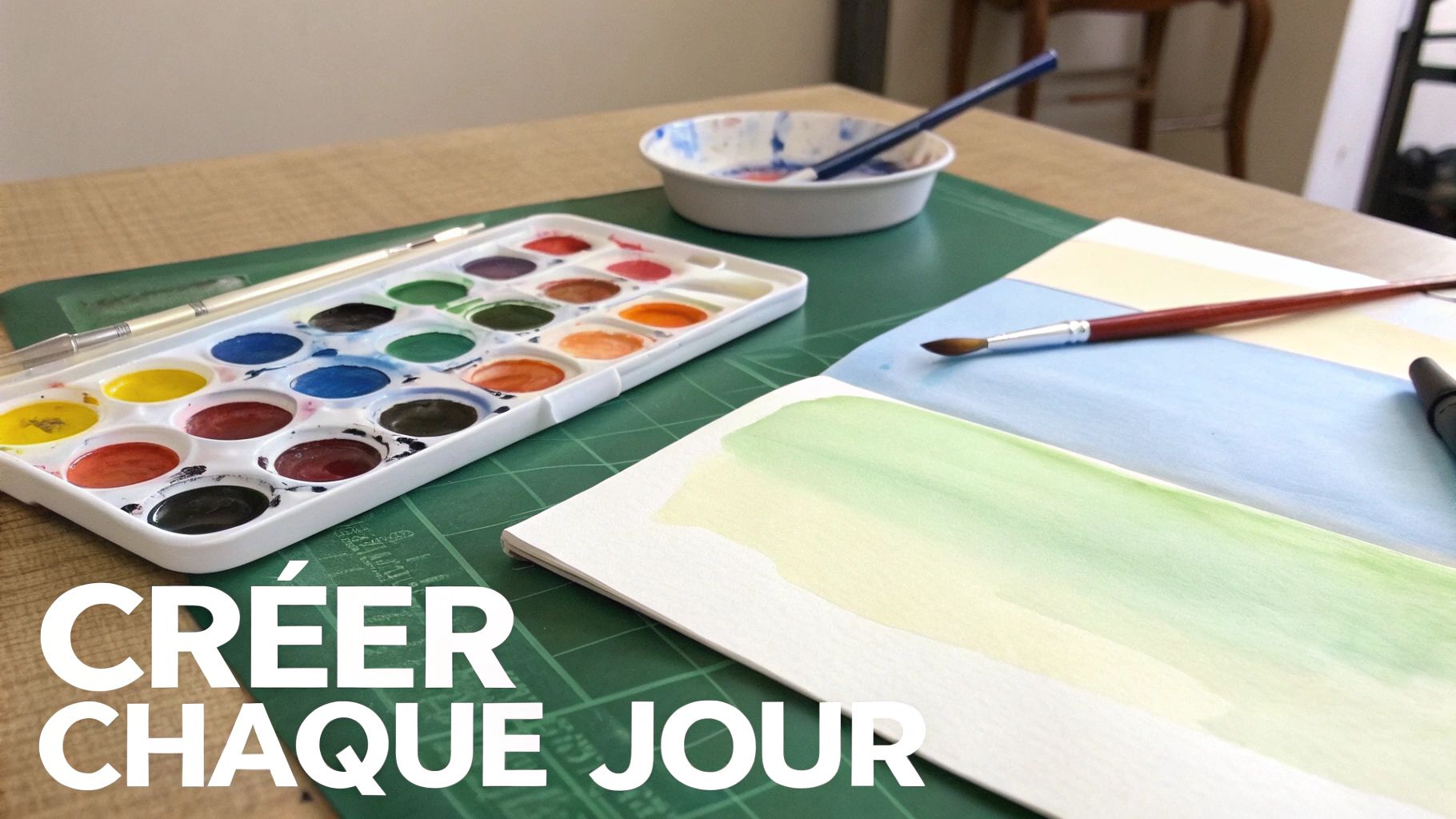
Painting and drawing are a wonderful example of a hobby that offers children a blank canvas to express their emotions, dreams, and ideas. Whether it's doodling with crayons, mixing the vibrant colors of watercolors, or sculpting with clay, visual arts are a gateway to pure creativity. It's an activity that develops fine motor skills, concentration, and decision-making abilities.
Through creation, children learn to transform abstract ideas into concrete realizations. This exercise strengthens their confidence in their abilities and shows them that their thoughts have value. They discover that "mistakes" are often simply opportunities to create something new and unexpected—a valuable life lesson. Art allows them to communicate what they cannot always express with words, making each drawing a page in their personal story.
Advice for parents
To encourage your child to explore their artistic side, here are a few simple suggestions:
Explore materials: Offer them different tools beyond traditional pencils: charcoal, oil pastels, finger painting, or even clay. Discovering textures will stimulate their curiosity.
Painting emotions: Ask them to draw or paint what they are feeling, choosing colors that represent their joy, sadness, or anger. This is an excellent exercise in emotional intelligence.
Sketchbook for nature walks: Bring a sketchbook with you and encourage your child to draw a leaf, an insect, or a landscape. This helps them to observe the world around them more closely.
7. Video and Board Games: Exploring Worlds and Strategies
Far more than just a pastime, play in all its forms is an excellent example of a leisure activity for developing essential skills. Whether it's video games, board games, or role-playing games, this activity immerses children in worlds where logic, strategy, and collaboration reign supreme. By navigating virtual worlds or planning their next move on a game board, they learn to solve complex problems, anticipate the consequences of their actions, and work as a team to achieve a common goal.
Games are a fantastic training ground for social and cognitive development. Board games teach planning skills, while cooperative video games encourage creativity and teamwork. These playful experiences strengthen a child's ability to handle both victory and defeat, communicate ideas clearly, and demonstrate patience. It's an interactive and engaging way to stimulate critical thinking while having fun as a family.
Advice for parents
To guide your child through this rich and varied world, here are some concrete suggestions:
Board game night: Set up a weekly appointment where everyone chooses a game. It's a perfect family ritual to encourage teamwork and healthy competition.
Adventures for two: Explore narrative or puzzle video games together. Playing with your child allows you to discuss choices, solve puzzles together, and share an immersive experience.
Create your own rules: Encourage your child to invent a new rule for an existing board game or to create their own mini card game. This stimulates their creativity and understanding of game mechanics.
8. Musical Creation and Learning an Instrument
Far from being limited to simple lessons, musical creation is a wonderful example of a leisure activity that offers children a powerful channel of expression. Learning an instrument or composing their own melodies on a computer allows them to translate their emotions into sound. This activity develops discipline, patience, and coordination, and strengthens memory, while offering immense personal satisfaction. It's a creative way to manage stress and channel energy.
Whether strumming a guitar, tapping on a keyboard, or assembling sound loops in an app, the child becomes the conductor of their own universe. Music is a universal language that allows them to connect with others and share their feelings without needing to speak. Each completed piece, whether simple or complex, is a victory that boosts their self-esteem and proves they are capable of creating something unique.
Advice for parents
To help your child embark on this sound adventure, here are some concrete suggestions:
Explore free apps: Software like GarageBand (on Apple) is very intuitive and perfect for a first approach. Let him experiment with the different virtual instruments.
Rent before you buy: Before investing in an expensive instrument, consider renting. This allows your child to try out several options, such as a ukulele or keyboard, to see what they like best.
Composing a soundtrack for a story: Encourage him to create a short melody to illustrate a moment from his day or a story he has invented. "What music would accompany your superhero adventure today?"
9. Well-being through Movement: Yoga, Dance and Physical Activities
Physical well-being is a wonderful example of a hobby that teaches children to listen to and respect their bodies. Activities like yoga, dance, or obstacle courses are not just ways to expend energy; they are powerful tools for building discipline, resilience, and a positive body image. This hobby helps children understand that movement can be a source of joy and relaxation.
Introducing a child to the joy of movement is a gift for life. A family yoga session can become a soothing ritual, while an impromptu dance routine in the living room fosters creativity and self-confidence. These activities release endorphins, the "feel-good" hormones, thus improving mood and reducing stress. It's a concrete way to show them how to take care of their physical and mental health, strengthening their confidence in their own abilities.
Advice for parents
To help your child explore this hobby in a fun way, here are some concrete suggestions:
Animal Yoga: Offer simple yoga poses by imitating animals (downward-facing dog, cobra, butterfly). This makes the exercise fun and stimulates their imagination.
Homemade obstacle course: Create a small course in the garden or living room with cushions to jump over and chairs to navigate around. It's a great way to work on coordination.
Free dance with the family: Put on your favorite music and dance together without worrying about the steps. It's a joyful ritual to release tension and strengthen bonds.
10. Adventure and Local Exploration: Broadening Your Horizons
Exploring new places is an incredible example of a leisure activity that sparks curiosity and self-confidence in children. Adventure, whether it's a hike in the forest or a visit to a neighboring area, is a school of life. It teaches adaptability and open-mindedness by exposing children to landscapes and environments different from their own. This activity forges lasting memories and strengthens family bonds.
Organizing a small adventure transforms everyday life into an exciting and enriching experience. Children learn to plan, navigate using a simple map, and observe nature. Discovering a new playground, tasting a local specialty, or simply listening to the sounds of the forest stimulates all their senses and nurtures their natural desire for exploration. It's a playful way to show them that the world is vast and full of opportunities, thus developing their independence and their ability to step outside their comfort zone.
Advice for parents
To introduce your child to the joys of adventure, here are a few simple suggestions:
Become a local explorer: Organize a "tourist" day in your own city. Visit an unfamiliar neighborhood, a museum, or a park you never go to, letting your child be the guide.
Create an explorer's notebook: Before each outing, prepare a small notebook where he can stick tree leaves, draw what he sees, or write down something new he has learned.
Plan a micro-adventure: Suggest that they choose a destination on a map within a 50km radius of your home and plan this outing together, from transport to activities on site.
11. DIY and Craft Projects: Creating with Your Own Hands
DIY projects, or "Do It Yourself" projects, are much more than just a simple craft; they are a fantastic example of a hobby that teaches children the magic of transformation. By using their hands to make, assemble, or decorate objects, they develop their fine motor skills, problem-solving abilities, and perseverance. This activity offers them immense satisfaction: the satisfaction of seeing an idea take shape and creating something useful or beautiful from simple materials.
Whether it's building a birdhouse, creating jewelry with beads, or recycling a cardboard box into a castle, DIY projects nurture imagination and ingenuity. It's an excellent opportunity to teach them the value of a job well done and the pride that comes with it. Each completed project is a victory that boosts their confidence in their ability to accomplish concrete things, which is fundamental to their self-esteem.
Advice for parents
To help your child explore this hobby, here are some concrete suggestions:
Creative recycling workshops: Save toilet paper rolls, egg cartons, and plastic bottles for a "free creation" afternoon. Suggest they make characters, vehicles, or fantastical animals.
Create seasonal decorations: Make decorations together for Christmas, Easter, or Halloween. It's a fun family ritual to personalize the home.
Themed DIY kit: Give them a simple beginner's kit, such as bracelet making or pebble painting. This will provide a clear framework for successfully completing their first creation.
12. The Art of Collecting: Building a Small World of Precious Objects
Starting a collection is a fascinating hobby that teaches children organization, patience, and a sense of value. Whether it involves stamps, trading cards, stones, or even small figurines, this activity structures their thinking and helps them develop a deep interest in a subject. The search for the missing piece becomes an exciting quest that stimulates their curiosity and perseverance.
This hobby introduces children to important concepts like care and classification in a very practical way. Managing their collection means learning to take care of their belongings and to connect with other enthusiasts. This responsibility boosts self-esteem, as the child becomes the guardian and expert of their own little treasure, a world they have created and enriched themselves.
Advice for parents
To guide your child in this collecting adventure, here are some concrete suggestions:
Choose a theme that interests them: Help them start a collection related to their current interests, such as dinosaurs, minerals, or their favorite cartoon heroes.
Create a treasure box: Give them a pretty box or binder to store and protect their finds. This dedicated space will showcase their collection and encourage them to take care of it.
Visiting flea markets: A trip to a flea market or antique shop can turn into a memorable treasure hunt. It's the perfect opportunity to unearth unique items.
Comparison of 12 leisure activities for a child's development
Creative Hobby
Key Development 🧠
Easy Family Ritual? 👨👩👧👦
Self-Confidence ⭐
Emotional Benefits ❤️
Photography
Observation, Creativity
⭐⭐⭐⭐
⭐⭐⭐⭐
Self-expression, self-worth
Reading & Collection
Empathy, Imagination
⭐⭐⭐⭐⭐
⭐⭐⭐
Escape, stress reduction
Gardening
Patience, Responsibility
⭐⭐⭐⭐
⭐⭐⭐⭐⭐
Connection to nature, pride
Writing & Journaling
Expression, Structuring
⭐⭐⭐
⭐⭐⭐⭐
Managing emotions, introspection
Kitchen
Precision, Autonomy
⭐⭐⭐⭐⭐
⭐⭐⭐⭐
Sharing, immediate gratification
Painting & Drawing
Fine motor skills, Creativity
⭐⭐⭐⭐
⭐⭐⭐⭐
Emotional release, concentration
Games (Social/Video)
Strategy, Collaboration
⭐⭐⭐⭐⭐
⭐⭐⭐
Managing failure, team spirit
Music & Instruments
Discipline, Memory
⭐⭐
⭐⭐⭐⭐⭐
Energy channeling, expression
Movement & Well-being
Body awareness
⭐⭐⭐⭐⭐
⭐⭐⭐⭐
Joy, stress management, energy
Adventure & Exploration
Adaptability, Curiosity
⭐⭐⭐⭐⭐
⭐⭐⭐⭐⭐
Courage, open-mindedness
DIY & Crafts
Problem solving
⭐⭐⭐⭐
⭐⭐⭐⭐⭐
Pride, a sense of competence
Collection
Organization, Patience
⭐⭐⭐
⭐⭐⭐
Care, expertise, perseverance
Your role as a guide: How to transform these ideas into family rituals
Together, we explored a wide range of activities, from gardening to creative writing. Each hobby we presented is more than just a pastime. It's a gateway to a world of discovery, an opportunity for your child to connect with their passions, build confidence, and develop their unique identity. You now have a rich toolbox to spark their curiosity.
But the real magic lies not in the list itself, but in how you use it. Your role as a parent-guide is essential. It's not about filling your child's planner. The goal is to observe, listen, and create a space where exploration is encouraged and failure is seen as a natural part of learning.
Turning inspiration into action: your next steps
Putting an idea into practice can sometimes seem daunting. Here's a simple approach to integrating these hobbies into your daily life and transforming them into meaningful family rituals:
Careful observation: Take the time to observe your child without judgment. What captures their attention? Are they drawn to stories, building things, nature? Their natural interests are the best indicators.
Open discussion: Start a playful conversation. Instead of asking, "What hobby do you want to do?", try, "If we could invent an adventure for this weekend, what would we do?" Use the ideas in this article as a menu of inspiration.
The pressure-free "test": Offer an activity as a one-off experience. Organize a "board game night" or a "cooking test afternoon." The goal is not long-term commitment, but shared discovery.
Creating a ritual: If you enjoy an activity, make it part of your routine. This could be "gardening on Saturday mornings" or "drawing on Wednesday evenings." Regularity transforms a hobby into a cherished and reassuring moment of connection.
The real gift behind every hobby
Beyond acquiring new skills, the greatest benefit is strengthening the bond between you. Every moment spent exploring a hobby together is an investment in your relationship. It's a powerful message you're sending: "I see you, I listen to you, and your passions are important to me."
The goal is not to train a future chef or professional photographer. The goal is to nurture a curious soul, cultivate perseverance, and build memories that will become the foundation of their self-confidence.
By guiding him in discovering his interests, you're giving him invaluable life skills. He learns to manage frustration, celebrate small victories, and understand that the process is often more important than the end result. These emotional and cognitive skills are the true hidden treasure behind every hobby we've shared.
Ultimately, your enthusiasm is contagious. By showing your own joy in learning, you give your child permission to do the same. You become a role model, not of perfection, but of curiosity and courage. This is where your greatest strength lies: guiding by example, with patience, love, and a good dose of fun.
To capture these precious moments and help your child explore their new passions, the My Book Story journal is the perfect companion. It offers a creative space to document their adventures, draw their creations, or write their first stories inspired by their hobbies. Transform each discovery into a tangible memory and encourage their journey of self-exploration with My Book Story .