


When we think of "personal development," we often picture books for adults. Yet, for children aged 6 to 12 , these books are true treasures that help them grow, gain self-confidence, and better manage their emotions. It's a bit like giving them a compass to navigate the small and big storms of childhood.
A toolbox for growing up well
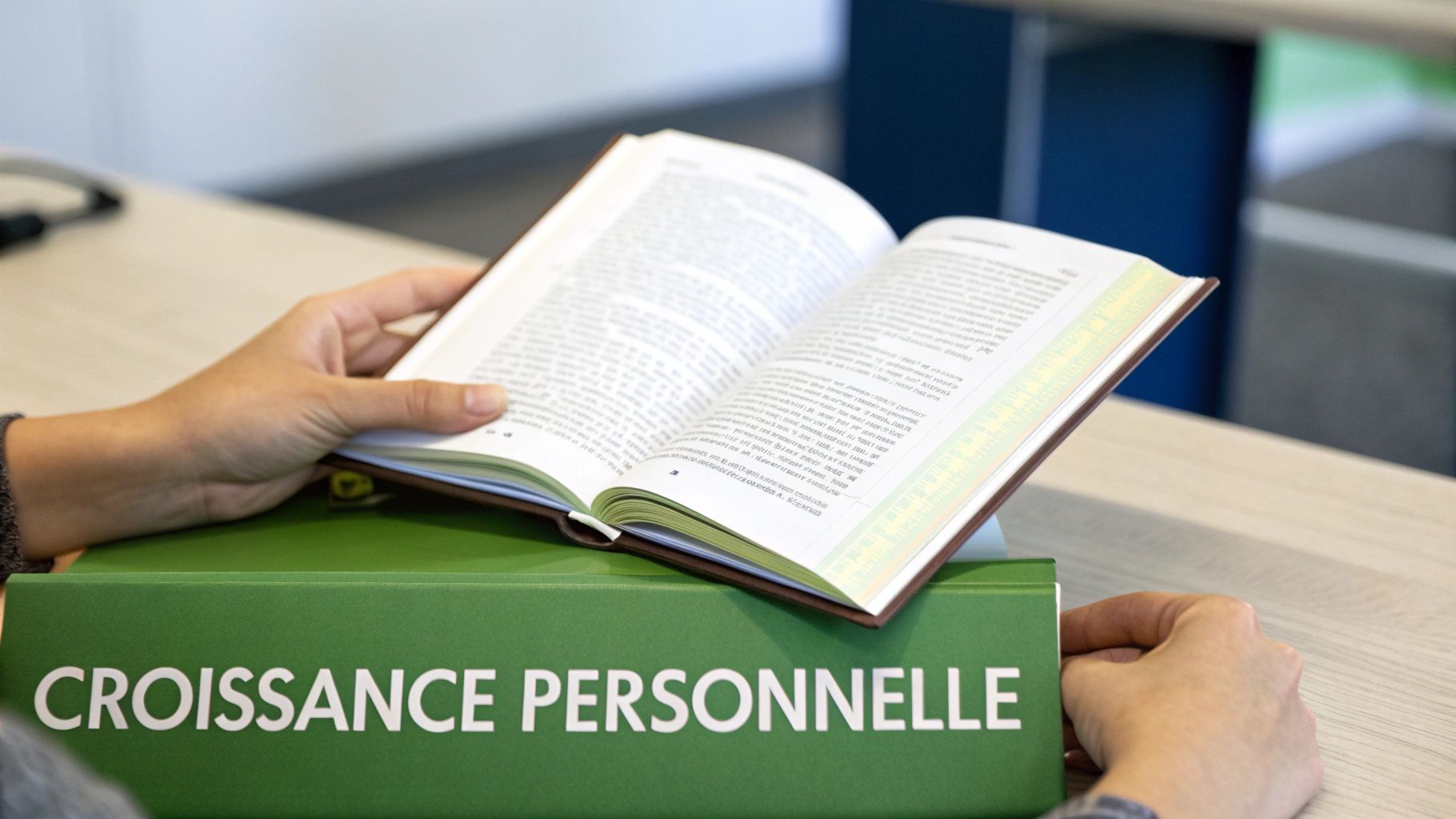
Imagine giving your child a toolbox for life. That's exactly what these books are. Each story, each little exercise becomes a tool they can later use to put words to an emotion, overcome a fear, or savor a small victory.
The period between 6 and 12 years old is fundamental. This is when the foundations of personality are built. Friendships become more complex, school brings its share of challenges, and their self-image begins to take shape.
Parent tip: Offer your child a small notebook where they can write down each evening the tool (story or exercise) they used during the day. For example, if they drew a picture of their fear before going to sleep, they can check "drawing" in their notebook.
Developing self-confidence and emotional intelligence
Through fun stories and activities, these books develop a key skill: emotional intelligence . When a child follows the adventures of a character who gets angry or sad, they learn to recognize and understand those same emotions in themselves.
In practical terms, a book about a shy little hero can inspire him to speak up in class. A story about the disappointment of losing a game can give him strategies for better managing his frustration next time.
Here's how it works, quite simply:
- Putting words to feelings: Helping a child say "I am frustrated" instead of stamping their foot is a giant step!
- Feeling less alone: Realizing that the hero of his book is also afraid of the dark is reassuring. He understands that his feelings are normal.
- Finding creative solutions: Activities like drawing or writing help him express what he feels in a positive way.
Practical example: During a walk or at snack time, invite your child to draw the emotion they felt most strongly during the day. Discuss the drawing together to explore their feelings further.
A bridge for discussion and getting closer
Beyond helping the child, these books are a wonderful opportunity to strengthen your bond. They open the door to conversations that we don't always have the time or the inclination to initiate.
A personal development book is more than just a story. It's a pretext for connecting, sharing experiences, and showing your child that you're there to listen, without judgment.
Reading a story together creates a calm and reassuring moment. Your child will then feel more comfortable sharing their doubts or joys with you. These little rituals become precious memories that reinforce the book's lessons while nurturing your bond every day.
Ritual tip: Choose a fixed time—perhaps after dinner or just before bedtime—and turn on a small, soft lamp. You can conclude each session by asking a heartfelt question: "What did you like best about this story?"
Identify your child's real needs

Every child is a little world unto themselves, with their own joys, fears, and challenges that change over time. Before embarking on the search for the perfect self-help book, the very first—and most crucial—step is to pause. Observe your child with kindness to truly understand what they are experiencing right now.
A book isn't a magic bullet, but rather a powerful tool for opening up dialogue. For it to be effective, it must arrive at the right time and address a genuine need. Grabbing a book about anger when your child is silently suffering from shyness risks completely missing the point. They won't feel understood or supported.
How can we observe without questioning?
Observing isn't about bombarding your child with questions. It's simply about paying attention to the little signals they send every day. To help you gain a clearer understanding, here are a few clues that might reveal specific needs:
- When faced with difficulties: Does he quickly abandon a new game, sighing "I'm no good"? This could hide a fear of failure or a lack of self-confidence.
- With others: Does he have trouble making friends or joining a group in the playground? He may need a boost to overcome his shyness or develop his social skills.
- When emotions overflow: How does he manage frustration? Explosive anger over nothing may simply mean that he is not yet able to put words to what he feels.
Practical tip: set up a small mood board (chalkboard or magnetic) in the kitchen. Everyone can draw an emoji that corresponds to their mood for the day, then you can discuss it together during snack time.
Personal development is no longer reserved for adults. It is an essential skill that can be learned from a young age, laying the foundations for a more balanced and fulfilling life.
An awareness that is being confirmed
This growing interest in children's well-being is not just a passing fad. The global personal development market surpassed $40 billion in 2022 and continues to expand. This trend clearly demonstrates the increasing importance of cultivating mental health and self-awareness from a young age. To delve deeper into this topic, insights into the personal development industry offer valuable analysis.
By taking the time to identify your child's challenge, whether it's to help them manage their anxiety or become more persevering, you're doing much more than just buying them a book. You're sending them an incredibly powerful message: "I see you, I hear you, and together, we'll find what you need to grow up happy."
Choose the right book for each challenge
The world of children's books is a treasure trove. But faced with such an abundance, it's easy to feel a little lost, like in a vast library where you don't know where to begin. To find your way, the trick is to think in terms of purpose. Each type of book or journal meets a very specific need.
Finding the right book is a bit like choosing the right tool to help your child grow. Once you've identified a particular difficulty or emotion, you can offer them a story or activity that directly addresses what they're feeling. It's a wonderful way to validate their emotions and show them they're not alone in experiencing these feelings.
Example of involvement: let your child sort several blankets and choose the one that attracts them the most; this makes them an active participant in their own development.
Stories to help tame emotions
For a child, a big tantrum is sometimes like a volcano threatening to erupt. A fear of the dark is like a monster hiding under the bed. Stories that give these emotions a face make them immediately less intimidating and easier to understand.
A book that tells the story of a little dragon learning to control its flames, for example, opens a great door for discussing anger. You could ask them, "Do you ever feel like you have a little dragon in your tummy too? What could we do to help it calm down?"
Example activity: after reading, suggest that your child invent a new character to soothe the same emotion.
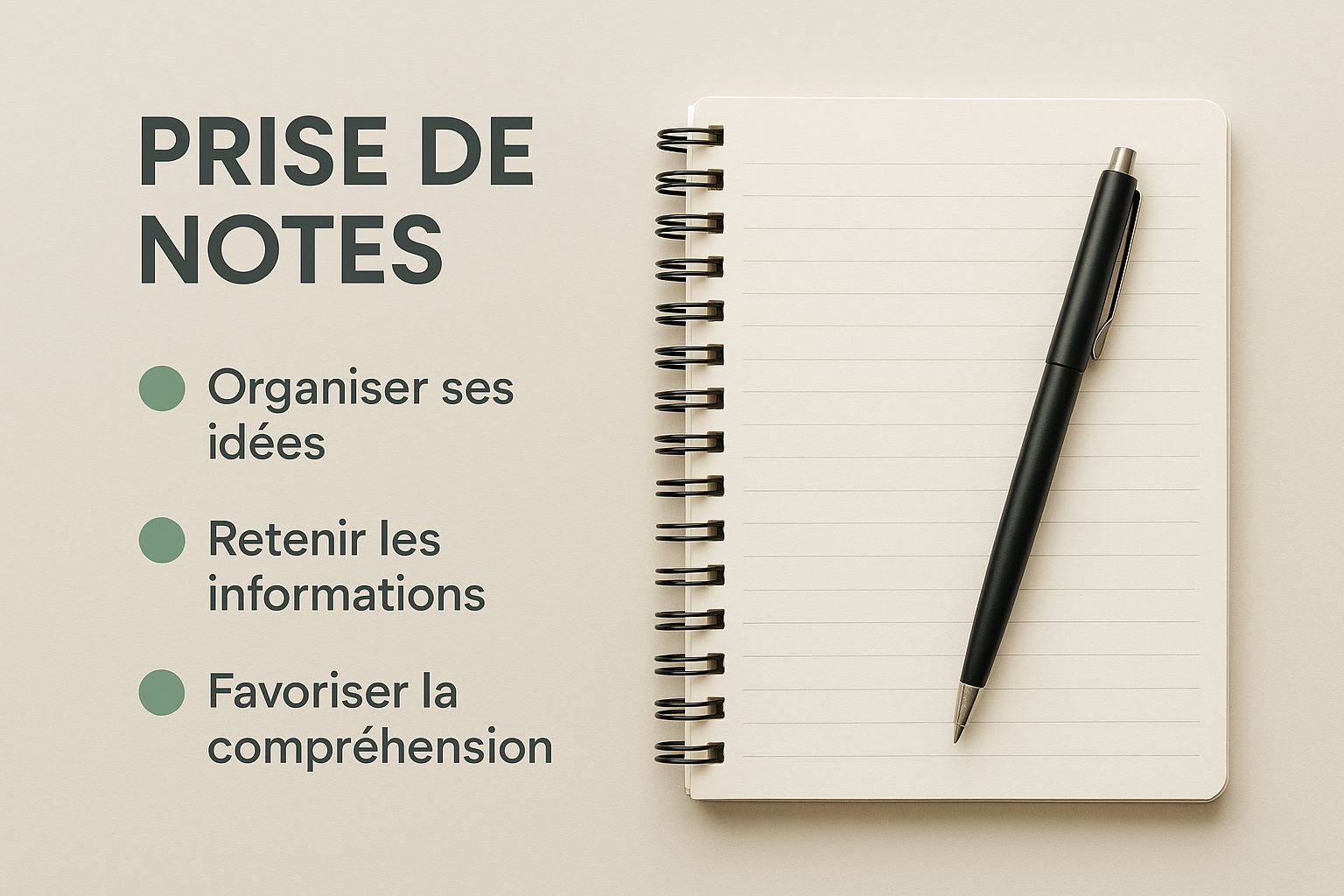
Building confidence and self-esteem
Between the ages of 6 and 12 , self-esteem is still a fragile little plant. Comparison with friends, fear of making mistakes, or a simple comment at school can quickly cause it to falter. Stories featuring heroes full of doubt, but who ultimately succeed, are a real boost to confidence.
These stories act as a mirror. They show him that it's normal not to be perfect and that true strength lies in finding the courage to try.
A book about perseverance doesn't just teach you never to give up. It whispers in your child's ear: "You have the right to fail. It's by getting back up that you become stronger."
Weekly challenge: together, write down on a "my pride" board one success of the week, even a small one.
Newspapers to express and thank
Sometimes, putting words to what we feel is difficult. That's where creative and interactive journals become great allies. They offer a safe space where your child can draw, write, paste... In short, let their imagination help them explore their thoughts, without judgment.
Many of these journals also offer small activities to cultivate gratitude. Simply writing down " 3 small joys of the day" is a very simple yet incredibly powerful ritual. It helps him see the positive aspects of his life and develop a more optimistic outlook.
Journal tip: personalize the cover together, by sticking on photos or stickers to make it more attractive.
Choosing the right book for the right purpose
| Goal for the child | Recommended book type | Example of related activity |
|---|---|---|
| Better manage your anger or fears | A book personifying emotions (e.g., an anger monster) | Draw your own emotion and give it a name. |
| Strengthening his self-confidence | The story of a hero who overcomes his doubts | List 3 things he is proud of himself for this week. |
| Developing a positive outlook | Gratitude Journal | Each evening, write down one "high point" from the day before going to sleep. |
| Facing a difficulty (school, sport) | A story about resilience and perseverance | Discussing a time when he succeeded at something that seemed difficult to him. |
Ultimately, choosing a book that resonates with what your child is experiencing right now is much more than just giving them a story. It's offering them a compass to help them learn about themselves and navigate life's great journey with a little more peace of mind.
Create a reading ritual that strengthens your bond.
Choosing the right book is already a first victory. But it's when you discover it together that these personal development books take on their full value.
Establishing a true family ritual provides a nurturing environment where children feel free to express their emotions. This is where trust is built and shared memories are created that will leave a lasting mark on your relationship.
Reading corner tip: create a cozy little corner with cushions and a blanket to make this moment unforgettable.
From book to conversation
The aim is not to lecture, but to listen and guide reflection. At the end of each story, set aside a short time for discussion, almost like a small, impromptu philosophy café.
Ask a few open-ended questions to start the discussion:
- "And you, what would you have done in the character's place?"
- "Have you ever felt like this?"
- "What lesson do you take away from this story?"
These simple questions help your child connect the story to their own life. You can also share your own experiences to show them that you, too, sometimes have doubts.
You can also suggest that he draw the scene that touched him the most and display it in his room.
The most beautiful gift of a reading ritual is not just the story, but the message: "Your ideas and emotions matter to me. I am here to listen to you."
Integrate reading into your daily life
No need for elaborate setups: consistency is more important than perfection. Why not turn the weekend into a creative workshop? A creativity journal then becomes a quiet moment to write, draw, or simply dream together.
In France, personal development books now account for nearly 32% of the market, demonstrating that families are increasingly seeking to grow together. To learn more, discover the details of the success of personal development and its impact.
At the beginning of the week, choose a theme together (friendship, courage, etc.) to guide your reading. Five minutes before bedtime or half an hour on Sunday morning: these shared moments go far beyond simply reading. They forge strong bonds and give your child emotional tools for life.
Let's examine some common misconceptions.
When discussing personal development for children, we sometimes encounter some persistent misconceptions. Some parents worry: does this mean my child has a problem? Won't I make them selfish? It's time to dispel these prejudices.
In reality, introducing your child to personal development is the complete opposite of self-absorption. It's about giving them the tools for empathy, emotional intelligence, and kindness towards others. A child who learns to put words to their own emotions will be much better able to understand and respect those of their peers.
This is not a sign of failure on your part. On the contrary, it's an act of love and a preventative measure. You're not trying to "fix" a child; you're simply giving them a compass to help them navigate their own inner world. These skills will serve them well throughout their life.
A sign of strength, not weakness
The idea that taking care of one's well-being is a sign of weakness is deeply ingrained. Yet, nothing could be further from the truth. Even though self-help books are gaining popularity, many still hesitate to take the plunge. This is paradoxical when you consider that 44% of French employees experience psychological distress. This figure clearly demonstrates a genuine need. To delve deeper into the subject, feel free to explore common misconceptions about personal development .
Teaching your child to take care of themselves is a true act of courage. You show them that seeking self-understanding or asking for help is not shameful, but a beautiful sign of maturity.
Giving your child a self-help book isn't telling them "you have a problem." It's whispering, "I believe in you and your ability to grow, and I'm here to support you."
This positive approach has beneficial effects on the whole family. Here are some concrete examples:
- It frees up speech: The themes of the books (friendship, fear, jealousy) become great pretexts to start discussions that we might not have had otherwise.
- It strengthens your bond: Sharing these readings and reflections shows your child that they can tell you anything, with complete confidence. The connection between you will only grow stronger.
- It brings calm back to the house: A child who knows better how to manage their anger or express a need without shouting, it changes everything! The family atmosphere immediately becomes more serene.
Example: if those around you have questions, share an excerpt from the book you are reading with them; this can defuse prejudices.
Your questions about personal development books
Exploring the world of self-help books with your child often raises questions. And that's a good sign: it shows your desire to support their first steps towards self-confidence. In this section, I'll share concrete, practical, and reassuring answers.
At what age can my child start?
There is no set age, but 6 years old is an excellent starting point. At this stage, children are better able to perceive their own emotions and those of others through stories.
In practice, here are some guidelines:
- Ages 6–8 : Opt for colorful picture books with simple stories. Heroes dealing with a minor argument or exam anxiety are always captivating.
- 9–12 years : move on to more interactive formats, such as creative journals, or novels that deal with friendship, school pressure, or self-esteem.
Activity idea: create a "My Emotions" poster to decorate to help him identify what he is feeling.
The key? Choosing a book that matches their attention span and sparks their curiosity. Your goal isn't to fill a shelf, but to provide a springboard for their love of reading.
What if my child doesn't like the book they chose?
The golden rule: never force it . When reading becomes a chore, it loses all its beneficial power.
First of all, ask yourself: is it the subject matter that puts you off, the format that is too dense, or simply a lack of motivation?
A book rejected today is not an admission of failure, but a valuable clue about one's current tastes.
Leave it within easy reach, without insisting. And for your next choice, take it to the bookstore: nothing like the pleasure of browsing to rekindle the flame.
Fun tip: turn the discovery into a treasure hunt: each time he flips through a book, he earns a point which he can exchange for a small privilege.
Can these books replace a psychologist?
No, and it's important to emphasize this. Self-help books act like an emotional first aid kit: they help to name a feeling, to initiate a dialogue, and to offer some suggestions.
However, they do not address deep-seated suffering. If you observe persistent withdrawal, intense anxiety, or worrying changes in behavior, do not hesitate to seek professional help.
In short, these books are a helpful companion for navigating the small challenges of everyday life. They strengthen family communication and offer your child tools to better understand themselves, without ever replacing the expertise of a psychologist or doctor.
To extend this approach at home, you can use a tool like the My Book Story notebook, designed to accompany your child aged 6 to 12 with creative activities: drawing, writing and gratitude in the same journal.
Order your My Book Story notebook here